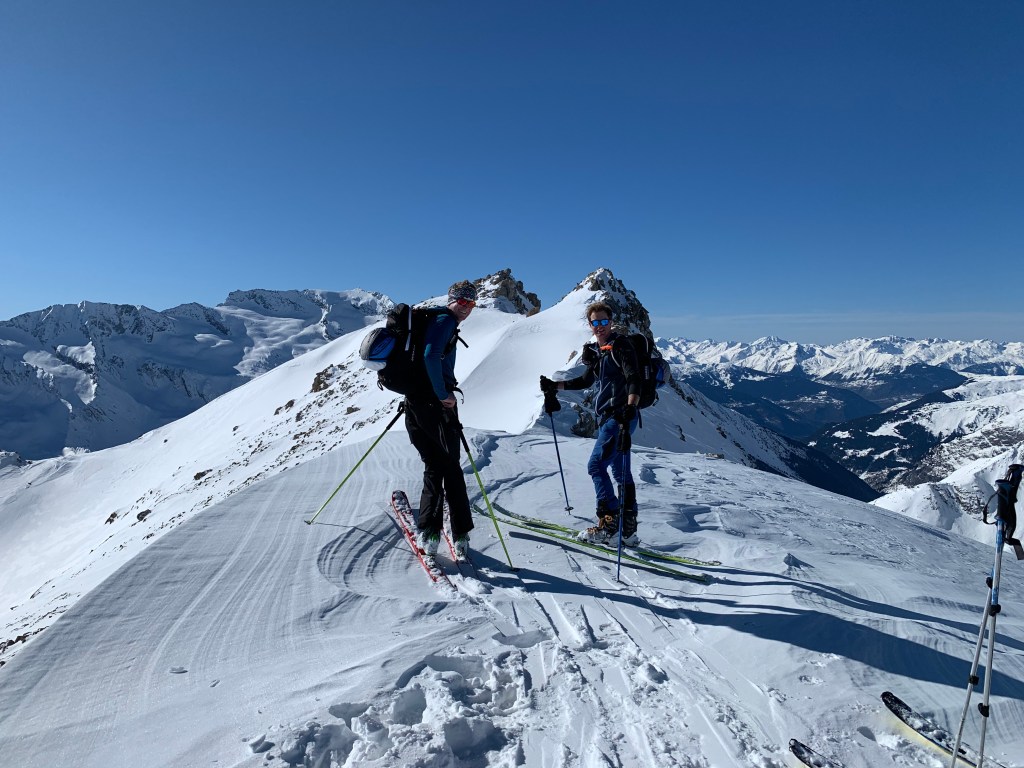
If you are lucky enough to be hitting the slopes this season, just remember that the mountains can be extremely fickle and that preparation is key to having fun. You might be thinking about what upgrades you want to make to your wardrobe, or whether you really need to take that extra jacket. Here is my take on what to wear when out in the mountains (I will also link in some of my favourite products).
Always Start With A Base Layer

Regardless of whether I am going out climbing, walking or skiing, I will always start with a solid base-layer. They keep you warm, give you some support and are incredibly versatile. Personally I always go for layers made from natural fibres (wool, bamboo etc) as they are more comfortable, better at wicking away sweat, regulating my temperature and can also be worn over multiple days without smelling!
Here are a few of my favourites to wear:
Stellar Base Layer £95 for top + bottoms (pictured left). This is a lighter weight set than the others and is great for days where it’s a bit warmer or when you are travelling light on a ski-tour. They are incredibly stretchy and because they are seamless, are wonderfully comfortable.
Icebreaker – many options available. Everything that Icebreaker produce is 100% sustainably sourced merino wool. I have this one and love the panel system. It has wicking areas underneath the arms, across the back and down the forearms that not only help with temperature but also add stretch.
Finisterre Bora Bamboo Hoody (£55). If being stylish is your thing, then the Bora is definitely one for you. It is not only really well-priced, warm and lightweight but can also be worn off the mountain. Everything that Finisterre produce is sustainably sourced.
The Mid Layer
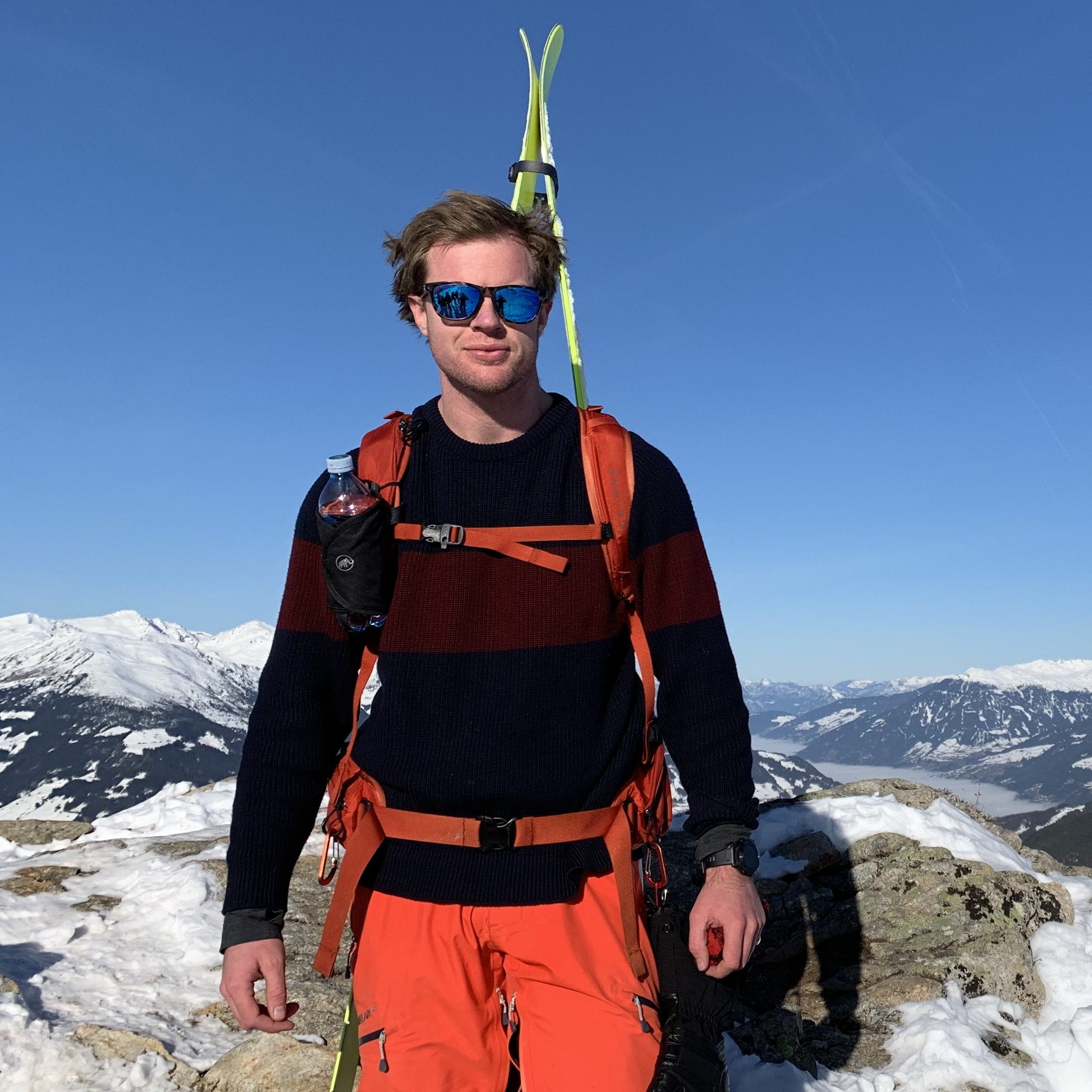
Once you have your base-layer sorted, its time to think about the mid-layer. For this, you want to have something that is warm, but breathable as well as giving you freedom of movement. If you wear something that is too constrictive you will likely be uncomfortable and will overheat. When this happens you will sweat a lot more and when you stop, this will feel very chilly. There are so many options out there, but these are my picks:
Trusty Old Wool Jumper (pictured above). This might look like something that Sir Edmund Hilary took up Mt Everest in 1953 but it is my favourite layer to wear in the mountains, so long as it doesn’t get wet! It is a heavy wool knit that is incredibly warm yet highly breathable. You will most likely already have an old one somewhere at home, so give it a try before you go and buy some highly technical ski mid-layer. If you do want to splash out, here are a few to look at:
Patagonia – R1 hoody – Patagonia will always be a go-to for me when it comes to outdoor equipment. Partly because thei kit lasts a lifetime and comes with many repair guarantees, but also because the values of the company align with my own and those of KitUp.
Stellar – Guide Merino – This is so well designed. I realised when I first put it on that it stretched in the precise areas that I wanted it to, but was generally athletically fitting. The hood size is perfect and can fit over a helmet when needed. The pockets are big and easily accessible without having to remove gloves. Like with everything else from Stellar, their kit is designed to work together seamlessly and it does.
Montane – Protium Montane is a wonderful British mountaineering company that have really developed over the last 10 years or so. The Protium is a really versatile jacket that can take a lot of abuse. After all, it was developed for winter climbing in the UK, a very cold, wet and windy business.
The Down Jacket
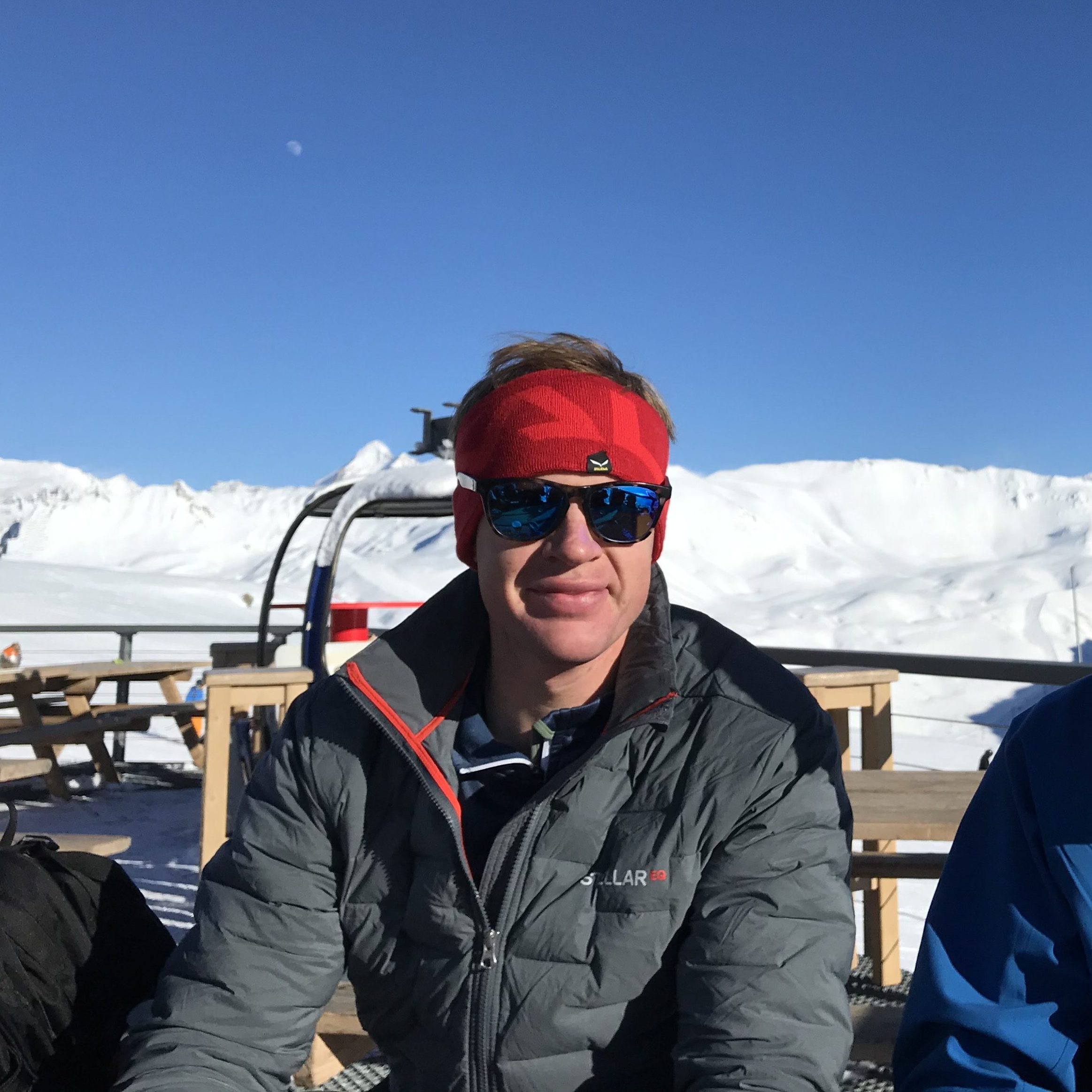
For many, skiing is not just about cramming as many runs into the day as possible. It is about spending time with loved ones, taking in the views, the mountain air and of course, cheesy mountain food! When you stop, you cool down incredibly quickly, so grabbing your down jacket from your bag keeps you nice and cosy. On days where the weather does not look like this, you might even find yourself skiing with it on for much of the day. Lastly, the bit that we don’t lie to think about, injury. If you or someone else is unfortunate enough to fall and seriously injure themselves, it can take time for mountain rescue to get to the scene. It is imperative to stay as warm as possible so having a good down jacket close to hand can be very helpful indeed. Again, there are so many options but these are my favourites and have worn them for years:
Stellar – Stretch Down Jacket (photographed above). I probably wear this jacket more than any other I own. Just this morning I wore it while walking through London in -3 degrees to get to the gym and next month I will be wearing it skiing in Meribel. It comes with me on every adventure and when dirty, it can be machine washed/dried – just throw in some tennis balls to fluff it up. It is incredibly warm and very stretchy, making it great for activities like climbing and skiing.
Dynafit Radical 3 – An incredibly lightweight primaloft jacket, this is designed for getting around quickly. I bought this whilst preparing for the Patrouille des Glaciers ski-mountaineering race last year for which, weight is the number one concern. I was amazed by how good it was and how warm it was! If you are looking for something light, then this is definitely worth considering.
The Waterproof Outer
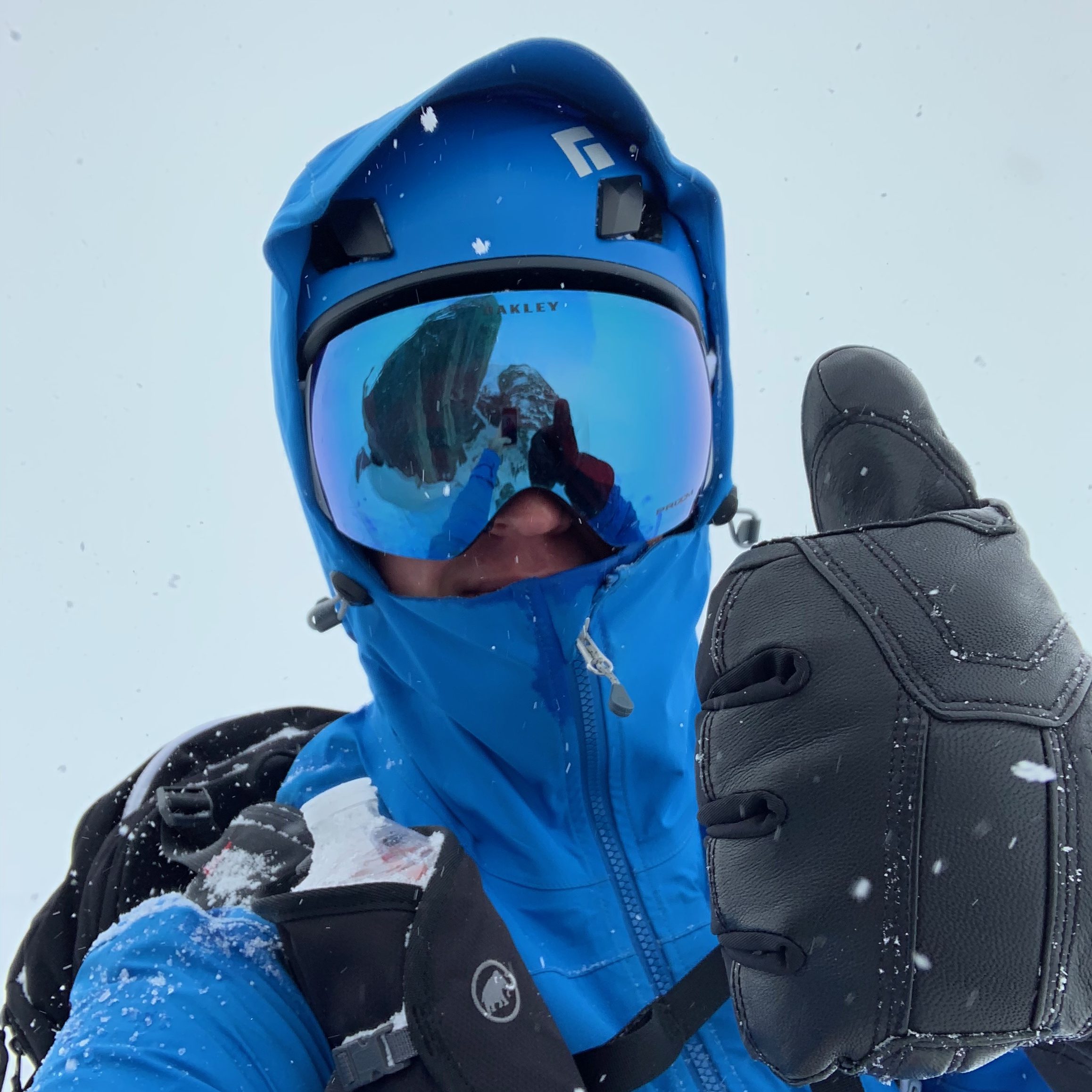
Until now it probably looks like I only venture out on blue, sunny days…If only that was the case! The reality is that, often as not, the clouds are in and snow is falling. Funnily enough, snow is precipitation, therefore without a good waterproof outer layer, we would get cold and wet very quickly! 10 years ago, everyone was obsessed (and many still are) with the trade mark of ‘Gore-Tex’ as the only product. Now, lots of outdoor companies have developed their own equivalent technology for waterproofing their clothing. The important number is the ‘hydrostatic head’ number (usually in thousands of milimetres). A good number is anything above 10,000 mm.
Another thing to think about is how robust the clothing is. Outdoor sports like skiing can now be very technical (like ski-mountaineering) so can be incredibly light weight. Generally speaking the lighter something is, the more expensive it will be and/or the less robust it will be. Here are my go to winter options:
Stellar Guide Shell Jacket – I have had this jacket (pictured above) for 6 years and have used it for a minimum of 2 months each season. The only upkeep required has been to add some glue into a seam on the hood and then to treat it with waterproofing to make sure it stays mountain ready. There are lighter jackets but I have not found a better all-rounder yet.
Patagonia Storm – Another solid jacket choice that will work as well for walking down to the supermarket in the rain as it will serve you on the mountain slopes. Great flexibility as well as a low carbon footprint. This is always something to think about when buying new gear. Could you fix your old stuff instead?
Its All About The System
Whatever you choose to wear, it is all about the system so make sure you understand how your clothing works before getting on the lift. The main questions to answer are: am I warm and comfortable? Do I have additional layers to put on? Am I prepared for a colder and wetter day than forecasted? If this is a ‘yes, yes, yes’ then you are ready to pick up your skis, sling them over your shoulder and have a great day. See you out there.
Bruce Leishman
Founder & CEO of KitUp Adventures

 blogkitupadventures.com