Turning the Tide on Clothing Waste: How and Why We’re Tackling the UK’s Clothing Landfill Crisis

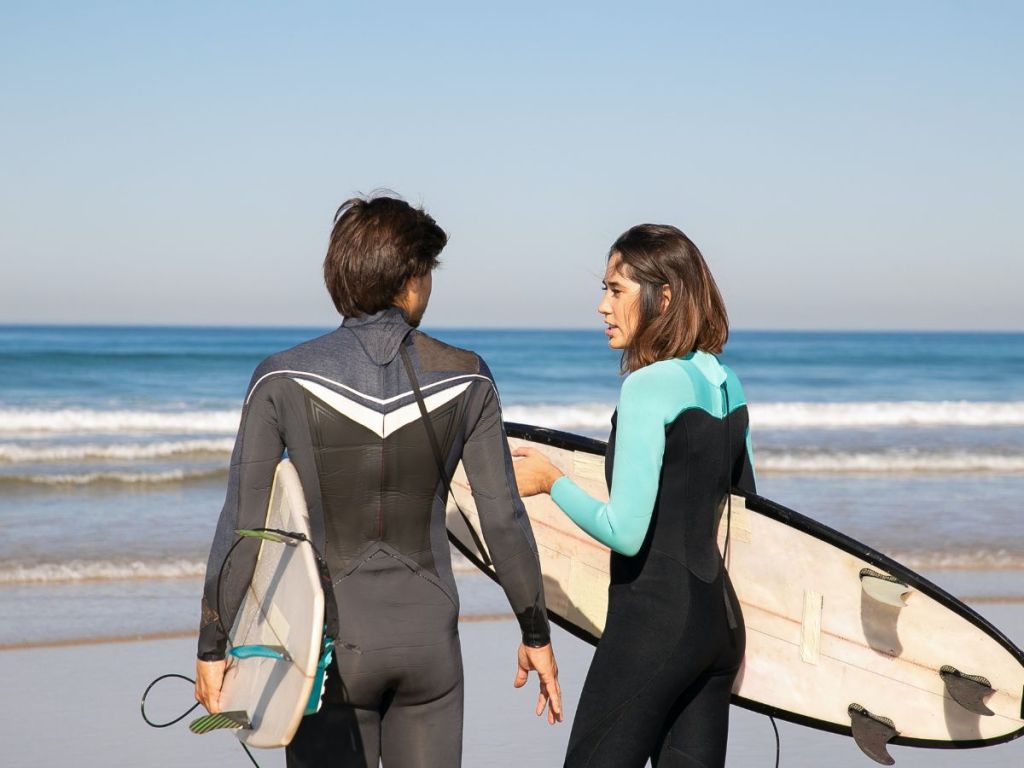
Outdoor clothing rental: wetsuits
There are multiple ways you can contribute to a greener, more sustainable future when it comes to outdoor sports clothing.

The fashion industry, including outdoor clothing, is facing a grave challenge – the ever-growing problem of clothing waste. With a colossal amount of clothing entering landfill instead of being used in more efficient, sustainable practices, it’s a significant project we have to face globally. 

At KitUp, we’re huge advocates for protecting our environment and reducing waste in the outdoor sports sector. We’ve created our outdoor kit rental platform to help combat the amount of waste in the industry, encouraging those that only use/need outdoor sports kit occasionally to hire rather than buy new. This will save on the amount of kit that is stored away taking up space, thrown away for not being used enough, or bought new for 1-2 uses per year.

Clothing plays a huge part in the outdoor sports industry, with many of us requiring specialist hiking clothes, cycling outfits or watersports clothing such as wetsuits. In this blog post, we will delve into the issues surrounding clothing waste, specifically focusing on outdoor clothing ending up in landfills, as well as discuss the complexities of recycled clothing and briefly examine the environmental consequences of sports fast fashion.

The Issue with Outdoor Clothing in Landfill

How much outdoor clothing enters landfill in the UK each year?

The statistics are alarming. According to WRAP, each year, the United Kingdom sends around 350,000 tonnes of textiles, including outdoor clothing, to landfill sites. This massive amount of waste takes up valuable space, emits harmful greenhouse gases and contributes to environmental degradation.

Recycled clothing doesn’t always have a happy ending

Recycled clothing often seems like a responsible choice, but the reality isn’t always as eco-friendly as we’d like to believe. A significant portion of recycled clothing still ends up in landfills. This is due to factors such as poor recycling processes, low-quality materials and limited demand for second-hand clothing. It’s clear that recycling alone isn’t enough to solve the clothing waste crisis. Which is where we are trying to help at KitUp, keep reading to find out how.

Why is sports fast fashion bad for the environment?

While we’re lovers of outdoor adventures, we need to take responsibility. Sports fast fashion, characterised by quick-turnaround, low-cost, trendy athletic wear and outdoor sports trends, has gained immense popularity in recent years. However, this industry is notoriously detrimental to the environment. The high demand for rapid production leads to overconsumption, excessive waste and environmental harm, all while sacrificing product quality and durability.

Why is textile waste bad for the environment?

How does outdoor clothing in landfill affect the environment?

When outdoor clothing ends up in landfills, it decomposes slowly, releasing harmful chemicals and greenhouse gases. These pollutants contribute to climate change, air and water pollution as well as overall environmental degradation. Methane and carbon dioxide emissions from decomposing textiles worsen global warming. Airborne chemicals can harm local communities, leading to respiratory issues, while water pollution affects aquatic ecosystems and potentially enters our food chain, posing health risks. Clothing waste, therefore, has profound and far-reaching environmental consequences that we must change.

How does outdoor clothing have an impact on greenhouse gases?

In the UK, the production and disposal of clothing, including outdoor sports gear, significantly boost greenhouse gas emissions. The energy-intensive manufacturing methods and extensive transportation networks involved leave a notable carbon footprint. To counter this impact, it’s imperative to prioritise strategies such as prolonging the life of our clothing and consistently opting for sustainable choices. These steps play a pivotal role in curbing emissions and fostering a more environmentally responsible approach to clothing consumption.

Outdoor clothing can impact greenhouse gases due to the production and disposal practices
Due to the negligent production and disposal practices, outdoor clothing can have a huge impace on greenhouse gases.

What are microplastics and what impact do they have?

Microplastics are tiny plastic particles that shed from synthetic fabrics when washed. These microplastics make their way into waterways, harming aquatic life and entering the food chain. Outdoor clothing, often made from synthetic materials such as nylon or polyester, is a notable contributor to this microplastic pollution. Therefore, it’s important to invest in outdoor clothing made by businesses that have researched fabrics and used sustainable practices in every element of their clothing production.

How you can say no to fast fashion in outdoor sports

In the quest to address the environmental challenges posed by fast fashion, we’re passionate about driving positive change. We believe that consumer choices play a pivotal role in mitigating the adverse impacts of sports fast fashion. Instead of perpetually indulging in the purchase of cheap, low-quality items, we encourage you to embrace a more sustainable and mindful approach.

Invest in high-quality

Consider investing in high-quality outdoor sports clothing that’s purposefully designed to endure the test of time. By opting for products that prioritise sustainability, durability and longevity, you not only elevate your outdoor experience but also contribute to a more responsible and eco-friendly fashion ecosystem.

Further, we recommend you spend a little time learning how to look after your kit properly. From washing and use to ironing and storage, there are plenty of tips online about how you can get the most out of the kit you invest in, to ensure it lasts that little longer. 

Rent outdoor sports clothing instead of buying new

We get it, brand new, high-quality outdoor sports clothing can cost a bomb. But, another significant avenue for reducing the environmental footprint of clothing lies in the world of pre-loved outdoor sports gear. 

By renting from others, you actively participate in minimising the environmental impact associated with the production and disposal of clothing. Not only is it a sustainable approach to outdoor fashion, as it encourages the shared use of gear, but it reduces the need for constant production and purchase of new items. Plus, it’s a practical way to experience premium outdoor gear without the hefty price tag. Win-win, right?

That’s where KitUp comes in. On our online peer-to-peer sports rental platform, we’ve introduced ‘clothing’ categories, specifically for you to rent outdoor sports clothing for you to participate in unforgettable adventures, without the hefty price tag of buying new. Simply create an account and keep an eye on any new arrivals near you to rent. 

Look for brands with sustainable values

Many outdoor sports brands will also be on a mission to reduce their environmental impact – but others won’t care so much. Pay attention to the brands you purchase your outdoor sports clothing from. Are they transparent about their supply chain? Do you know where they source their materials? Was the item made halfway around the world, increasing the carbon footprint of packaging and delivering your item? 

If you need to purchase, you can make a difference by purchasing from brands that are aligned with your values and that are committed to global change when it comes to outdoor sports kit. 

List your quality outdoor sports clothing on KitUp

Do you own high-quality outdoor sports clothing that’s in good condition? If you’re ready to be a part of the solution and make a positive change in your approach to outdoor clothing, KitUp is here to support your mission. We are committed to fostering sustainable choices within the outdoor sports community.

You can actively contribute by listing your quality outdoor sports clothing on our platform. By doing so, you help us create a marketplace that values durability, sustainability and responsible consumption. Together, we can redefine the way outdoor enthusiasts access and appreciate their gear, all while minimising our impact on the environment. From wetsuits and drysuits, to hiking boots, to the realm of children’s outdoor sports kit – we’d love to see it listed on our platform. Create an account to list your items today.

How you can drive a change in the UK outdoor clothing crisis

The UK’s clothing landfill crisis is a pressing issue that demands our attention and collective action. By choosing high-quality, sustainable outdoor sports clothing, considering rental options and actively participating in KitUp‘s mission to reduce textile waste, we can turn the tide on clothing waste and leave a lasting positive impact on our environment. Take the first step towards change today by either listing your quality outdoor sports clothing on KitUp, or renting something for yourself.
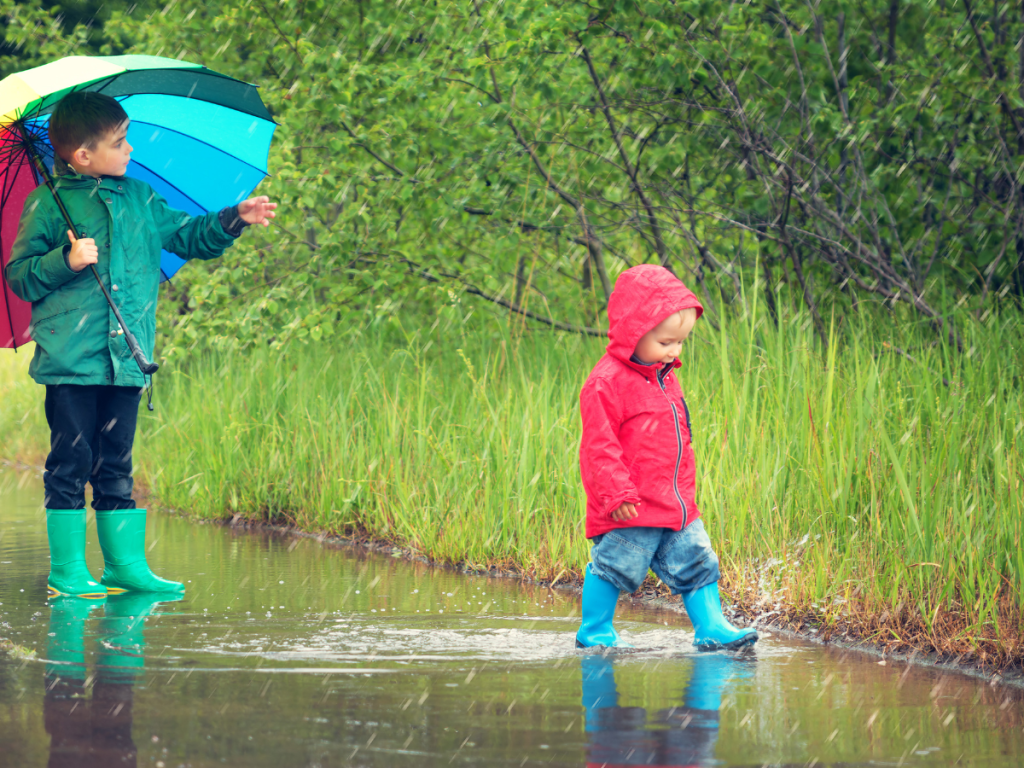
3 Kids Adventures for a Rainy Summer’s Day

With summer holidays quickly approaching, in true British style, we’re likely to experience rainy summer days. However, that shouldn’t deter you from experiencing the thrill of outdoor adventures with your little ones. It can be difficult to think of outdoor activities in the rain, therefore, in this blog, we’re delving into three exciting outdoor children’s adventures that embrace the elements. After all, there’s no such thing as bad weather, only unsuitable clothing! 

Adventure 1: Rainy Camping Experience

Rainy outdoor activities for children
Camping is a great option to bring the indoors, outdoors this summer with your children.

Venture out for a rainy camping experience with your little ones this summer and remain outside while experiencing the comfort of shelter. If you haven’t witnessed the awe on your children’s faces as the rain hits the tent, you’re in for a treat.

If you want to stay close to home, we recommend pitching up in your back garden. However, to enhance the experience, we suggest embracing the outdoors and travelling further afield to make it an unforgettable adventure. If you’re wondering where to go in the rain, why not take inspiration from our online platform? You’ll often find individuals renting equipment through KitUp live near ideal sites for their relevant acitivity.

As you set up camp, involve the children in the process. Let them help pitch the tent, lay out sleeping bags and organise camping essentials. Explain the importance of proper gear and how it ensures a comfortable experience despite the rain. Together, you can cook delicious meals over a campfire or portable stove, play games, tell stories and listen to the soothing sounds of raindrops on the tent.

Be sure to choose a campsite with good drainage and set up your tent on higher ground. Whether you already own a tent or you’re renting one through our online platform, ensure your tent provides adequate rain protection and has a waterproof floor. To keep your little campers dry and cosy in waterproofs, we recommend Spotty Otter’s Kids range – you can even rent Spotty Otter items on a daily rate through KitUp now.

Camping in the rain allows children to learn resilience, adaptability and an appreciation for nature’s beauty, even in challenging conditions. It’s an opportunity to create unforgettable memories and instill a lifelong love for outdoor adventures.

Adventure 2: Trail Exploration

Trail walk outdoor activity children
Head out for a nature walk, come rain or shine this summer.

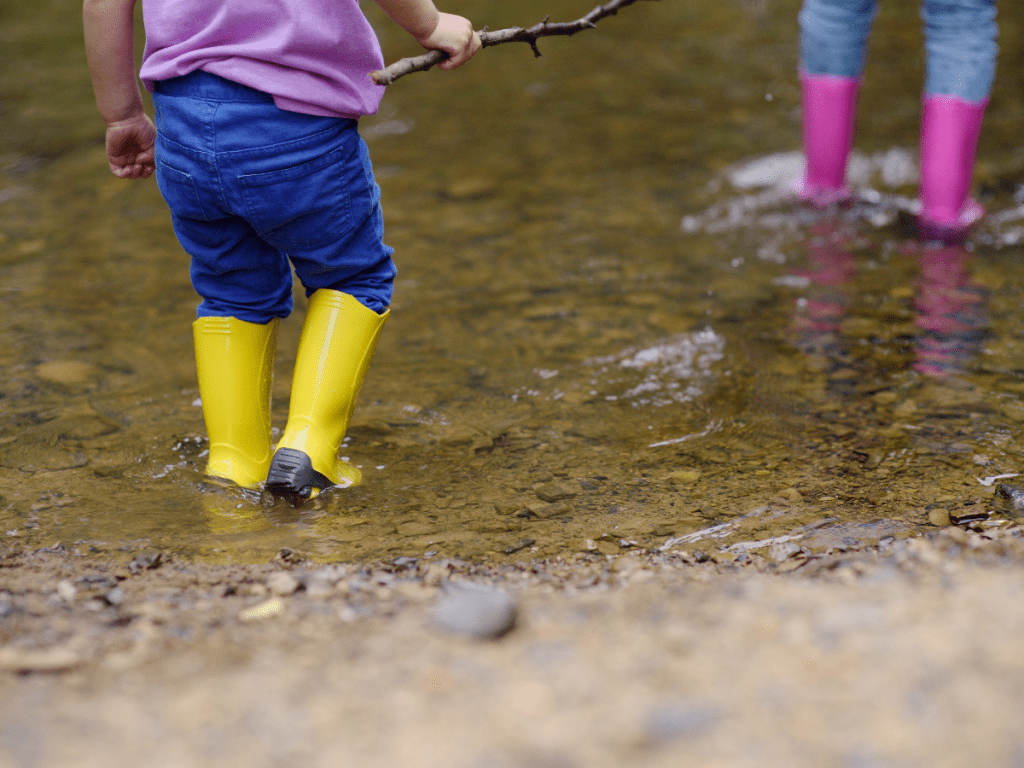
Rainy days add a unique ambience to nature trails, making them even more enchanting for children. Head out to a local wooded trail, equipped with appropriate rain gear and sturdy waterproof boots through the Kids Adventure range via our online platform, KitUp, to ensure your little explorers can tackle the muddy trails without slipping.

While exploring the area, encourage your children to observe the intricate details that rain brings to life, such as glistening leaves and the melodious songs of birds seeking shelter; and if you’re not afraid of a little mud, allow them to go wild and stomp in the tempting puddles! Further, engage them in activities like identifying different plant species or searching for hidden creatures in a bug hunt.

During breaks along the trail, savour snacks and hot beverages while seeking shelter under the canopy of trees. Emphasise the importance of Leave No Trace principles by ensuring you leave the trail as you found it, respecting and preserving the natural environment. By imparting this philosophy to your little ones, you are nurturing the understanding of responsible outdoor behaviour for future generations.

Remember to prioritise safety by staying on marked trails and avoiding areas that may be prone to flooding or falling branches. With the right mindset and preparation, a rainy day trail exploration can be an awe-inspiring and educational adventure for all – who knows, you might even learn a thing or two yourself!

Adventure 3: Rain Art and Nature Crafts

Rainy outdoor activities for children

Unleash your kids’ creativity while embracing the rain-soaked environment through rain art and nature crafts. Encourage them to explore their artistic side by creating unique artworks using rainwater as their medium. Set up an outdoor workspace protected from heavy downpours, equipped with water-resistant art supplies and waterproof clothing.

Let their imagination run wild as they use raindrops to paint vibrant pictures on canvas or create unique masterpieces on the ground using natural materials like leaves, flowers, and mud. This activity combines art, science, and a connection with nature, allowing kids to see rain as a source of inspiration.

Additionally, engage in nature crafts by collecting fallen leaves, branches, and other natural materials to create themed projects. If they’re stuck for inspiration, we suggest giving them a challenge, such as creating a nature boat; something to strive for and copy. Extend their knowledge further and encourage discussions about the water cycle, the importance of rain for plants and animals and how nature recycles water. After all, there’s a lesson to be learnt with every activity!

Rainy summer days offer a unique chance for memorable outdoor adventures. With KitUp’s “Kids Adventure” range, including tents for rental, you can equip your little explorers with the necessary gear to enjoy camping, trails, and creative activities in any weather. Embrace the elements, prioritise safety and preparedness, and let your kids discover the joy of rainy day adventures that will create lasting memories for years to come. Remember, there’s no such thing as bad weather, only bad preparation!

What Should I Wear When I Ski?

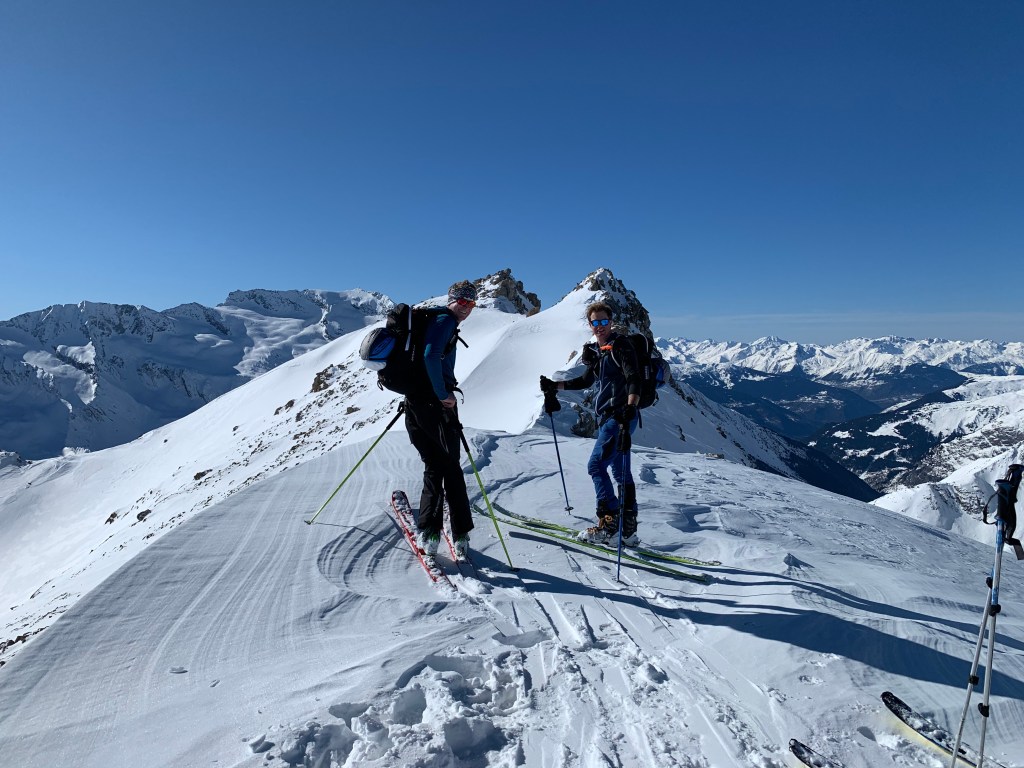
If you are lucky enough to be hitting the slopes this season, just remember that the mountains can be extremely fickle and that preparation is key to having fun. You might be thinking about what upgrades you want to make to your wardrobe, or whether you really need to take that extra jacket. Here is my take on what to wear when out in the mountains (I will also link in some of my favourite products).

Always Start With A Base Layer

Regardless of whether I am going out climbing, walking or skiing, I will always start with a solid base-layer. They keep you warm, give you some support and are incredibly versatile. Personally I always go for layers made from natural fibres (wool, bamboo etc) as they are more comfortable, better at wicking away sweat, regulating my temperature and can also be worn over multiple days without smelling!

Here are a few of my favourites to wear:

Stellar Base Layer £95 for top + bottoms (pictured left). This is a lighter weight set than the others and is great for days where it’s a bit warmer or when you are travelling light on a ski-tour. They are incredibly stretchy and because they are seamless, are wonderfully comfortable.

Icebreaker – many options available. Everything that Icebreaker produce is 100% sustainably sourced merino wool. I have this one and love the panel system. It has wicking areas underneath the arms, across the back and down the forearms that not only help with temperature but also add stretch.

Finisterre Bora Bamboo Hoody (£55). If being stylish is your thing, then the Bora is definitely one for you. It is not only really well-priced, warm and lightweight but can also be worn off the mountain. Everything that Finisterre produce is sustainably sourced.

The Mid Layer

Once you have your base-layer sorted, its time to think about the mid-layer. For this, you want to have something that is warm, but breathable as well as giving you freedom of movement. If you wear something that is too constrictive you will likely be uncomfortable and will overheat. When this happens you will sweat a lot more and when you stop, this will feel very chilly. There are so many options out there, but these are my picks:

Trusty Old Wool Jumper (pictured above). This might look like something that Sir Edmund Hilary took up Mt Everest in 1953 but it is my favourite layer to wear in the mountains, so long as it doesn’t get wet! It is a heavy wool knit that is incredibly warm yet highly breathable. You will most likely already have an old one somewhere at home, so give it a try before you go and buy some highly technical ski mid-layer. If you do want to splash out, here are a few to look at:

Patagonia – R1 hoody – Patagonia will always be a go-to for me when it comes to outdoor equipment. Partly because thei kit lasts a lifetime and comes with many repair guarantees, but also because the values of the company align with my own and those of KitUp.

Stellar – Guide Merino – This is so well designed. I realised when I first put it on that it stretched in the precise areas that I wanted it to, but was generally athletically fitting. The hood size is perfect and can fit over a helmet when needed. The pockets are big and easily accessible without having to remove gloves. Like with everything else from Stellar, their kit is designed to work together seamlessly and it does.

Montane – Protium Montane is a wonderful British mountaineering company that have really developed over the last 10 years or so. The Protium is a really versatile jacket that can take a lot of abuse. After all, it was developed for winter climbing in the UK, a very cold, wet and windy business.

The Down Jacket

For many, skiing is not just about cramming as many runs into the day as possible. It is about spending time with loved ones, taking in the views, the mountain air and of course, cheesy mountain food! When you stop, you cool down incredibly quickly, so grabbing your down jacket from your bag keeps you nice and cosy. On days where the weather does not look like this, you might even find yourself skiing with it on for much of the day. Lastly, the bit that we don’t lie to think about, injury. If you or someone else is unfortunate enough to fall and seriously injure themselves, it can take time for mountain rescue to get to the scene. It is imperative to stay as warm as possible so having a good down jacket close to hand can be very helpful indeed. Again, there are so many options but these are my favourites and have worn them for years:

Stellar – Stretch Down Jacket (photographed above). I probably wear this jacket more than any other I own. Just this morning I wore it while walking through London in -3 degrees to get to the gym and next month I will be wearing it skiing in Meribel. It comes with me on every adventure and when dirty, it can be machine washed/dried – just throw in some tennis balls to fluff it up. It is incredibly warm and very stretchy, making it great for activities like climbing and skiing.

Dynafit Radical 3 – An incredibly lightweight primaloft jacket, this is designed for getting around quickly. I bought this whilst preparing for the Patrouille des Glaciers ski-mountaineering race last year for which, weight is the number one concern. I was amazed by how good it was and how warm it was! If you are looking for something light, then this is definitely worth considering.

The Waterproof Outer

Until now it probably looks like I only venture out on blue, sunny days…If only that was the case! The reality is that, often as not, the clouds are in and snow is falling. Funnily enough, snow is precipitation, therefore without a good waterproof outer layer, we would get cold and wet very quickly! 10 years ago, everyone was obsessed (and many still are) with the trade mark of ‘Gore-Tex’ as the only product. Now, lots of outdoor companies have developed their own equivalent technology for waterproofing their clothing. The important number is the ‘hydrostatic head’ number (usually in thousands of milimetres). A good number is anything above 10,000 mm.

Another thing to think about is how robust the clothing is. Outdoor sports like skiing can now be very technical (like ski-mountaineering) so can be incredibly light weight. Generally speaking the lighter something is, the more expensive it will be and/or the less robust it will be. Here are my go to winter options:

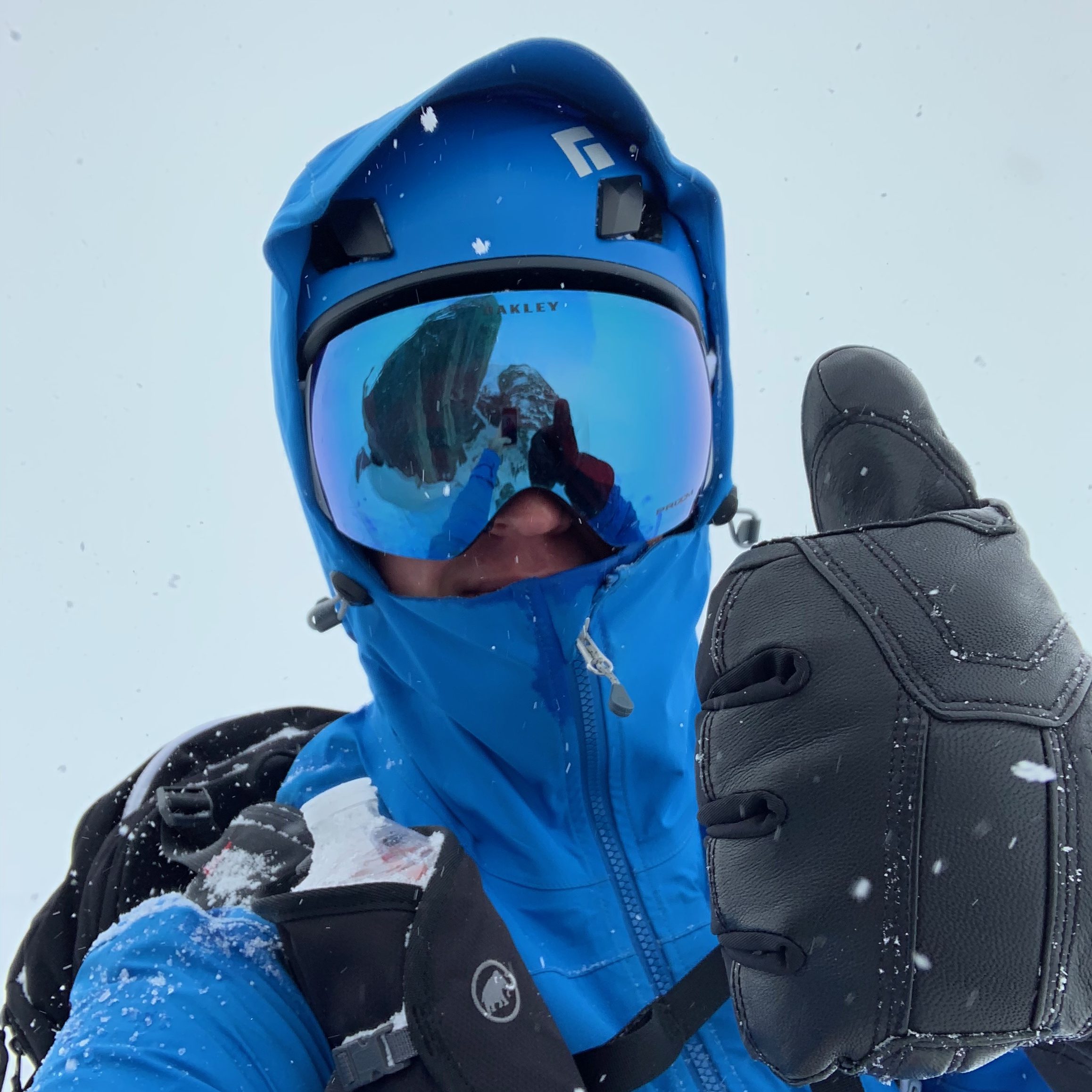
Stellar Guide Shell Jacket – I have had this jacket (pictured above) for 6 years and have used it for a minimum of 2 months each season. The only upkeep required has been to add some glue into a seam on the hood and then to treat it with waterproofing to make sure it stays mountain ready. There are lighter jackets but I have not found a better all-rounder yet.

Patagonia Storm – Another solid jacket choice that will work as well for walking down to the supermarket in the rain as it will serve you on the mountain slopes. Great flexibility as well as a low carbon footprint. This is always something to think about when buying new gear. Could you fix your old stuff instead?

Its All About The System

Whatever you choose to wear, it is all about the system so make sure you understand how your clothing works before getting on the lift. The main questions to answer are: am I warm and comfortable? Do I have additional layers to put on? Am I prepared for a colder and wetter day than forecasted? If this is a ‘yes, yes, yes’ then you are ready to pick up your skis, sling them over your shoulder and have a great day. See you out there.

Bruce Leishman
Founder & CEO of KitUp Adventures