Adventure’s Role in Self-Discovery with Former Marine, Tom Foxley

On A Remote Canadian Glacier…

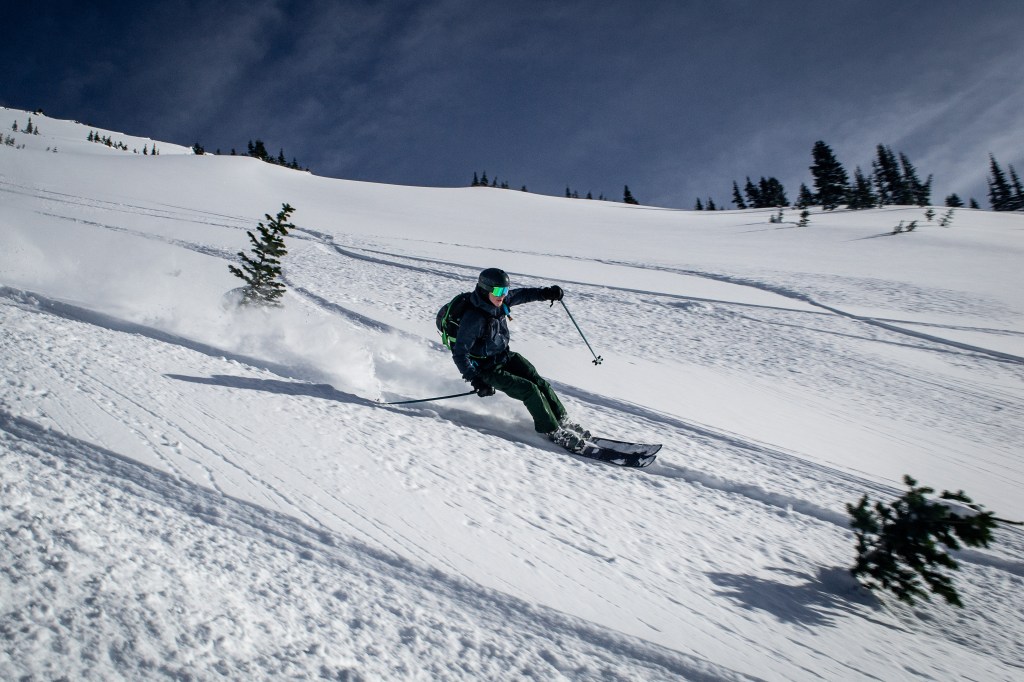
My frozen hands scrambled to unclog my ski bindings from packed snow.

Not now…

My harness and rope were irritating obstacles that just added to the hassle.

If only I could take this crap off…”

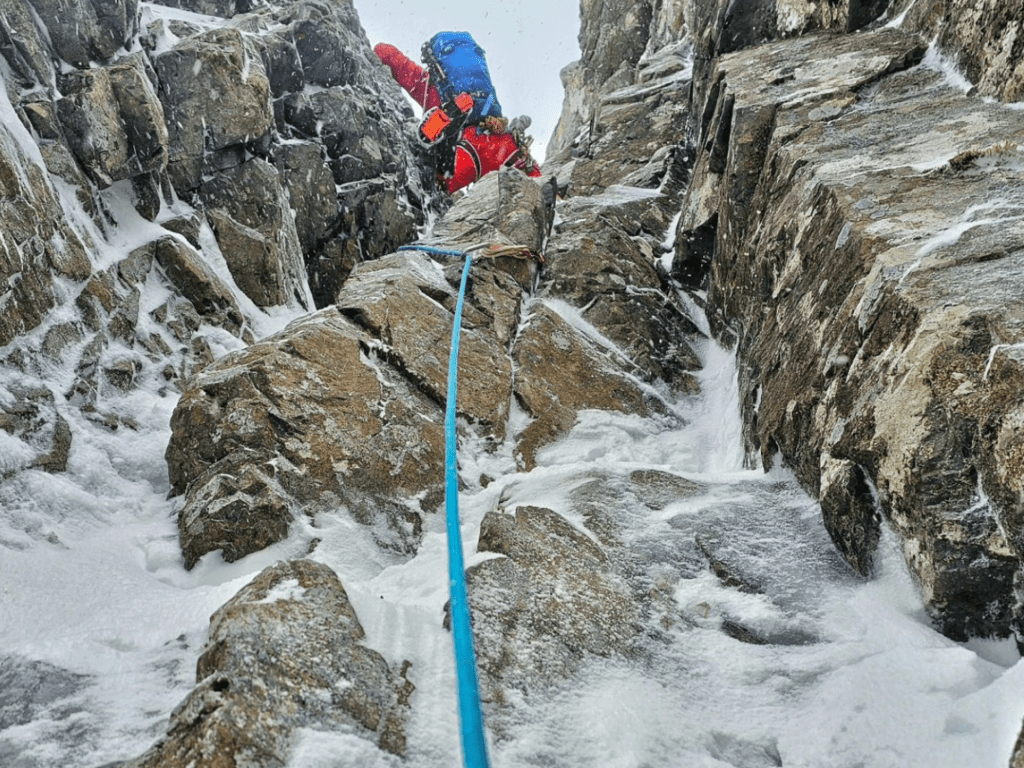
The three of us stood on a glacier we were desperate to get off. Surrounded by hidden crevasses that threatened to suck us into their depths.

The unsettling crack and rumble of an avalanche a few hundred metres to our left had confirmed that we needed to get back into safer terrain immediately.

My numb digits couldn’t get the icy-snow out of my bindings, and panic began to settle in.

A distant voice whispered to me. The memory of an admittedly terrifying sergeant who helped put me through Royal Marines training…

Slow is smooth, smooth is fast.” 

Why was this bloke’s face and voice in my mind at such an urgent time?

“Oh, it’s a lesson!”

I took a breath, detached from the situation, and slowed down.

The solution came to me, I had to melt the snow with the only warm liquid I had: my own pee.

Now I think back to that remote glacier in British Columbia, Canada, and laugh. My two friends’ faces as I began to urinate on my own skis in a hostile alpine environment was a picture.

But this isn’t a blog about tactical tips, it’s a blog about who you fundamentally are, and more interestingly, who you have the potential to become.

The Character Forge of Adventure

Adventure has given me far more than fun stories, epic photos and piss-soaked skis, it has given me an avenue to develop who I fundamentally am. From pub walks in a soggy English field, to an upcoming 2 week ski mountaineering trip in the Karakoram Mountains…

…And from the constant agony of Commando training, to teaching friends how to tie into a climbing harness with a sea sunset in the background, adventures have provided me with a forge for my character.

Mishaps are the furnace of resilience. Challenge & difficulties, the anvils of a cool, calm mind. Deep connection with nature and friends, the hearth of love.n And peak experiences a glimpse of something truly transcendent. Without adventure, I would be a fraction of the man I am today – it has shown me who I am meant to be, and I’m guessing it has done the same for you too.

But it’s my opinion that we can use adventure as a more intentional tool, rather than relying on the perfect circumstance.

The Hero’s Journey

My day job is coaching people to become who they’re meant to be. When I do this, I continually refer them to Joseph Campbell’s Hero’s Journey.

The Hero’s Journey is a narrative framework that outlines a common pattern of stages many heroes undergo in myths and stories worldwide.

It begins with the hero receiving a call to adventure, leading them to leave their ordinary world. They cross into an unfamiliar, challenging realm, where they face trials, meet allies and enemies, and undergo a central crisis.

This crisis leads to a victory or achievement, after which the hero returns to the ordinary world, transformed by the experience and often with a boon or insight to benefit their community.

The Hero’s Journey is not only a framework for every great movie you’ve seen, it’s a structure for personal development that is pre-built into every single one of us.

One of the key concepts is that once we accept the call to adventure, we are littered with progressively more challenging trials to pass.

The obstacle in front of us requires every sinew of our character and skill set to overcome.

It feels beyond our capacity.

Yet succeed in that challenge we do, which only brings us to an even greater challenge which looms in front of us; intimidating and dangerous.

But when we meet this challenge, we are not the same person we were when we planned our first hike.

That person would have been massively insufficient for a challenge of this scale. You have grown.

Yes, your skill set has developed, but so have you. You have activated parts of you that have been dormant until challenge brought them out to play.

Adventure is your most intuitive mentor, the perfect balance of maternal and paternal encouragement.

I intentionally use adventure to help myself and my clients grow.

First, we can learn to see the adventure in all of life. From becoming a parent, to aiming at career progression, it’s all an adventure.

Then we can consistently put ourselves into the environments that will extract the best from ourselves.

By answering the call to adventure, you are answering the call to your better self.

So, what’s next on your adventure list?

A Bit About Tom
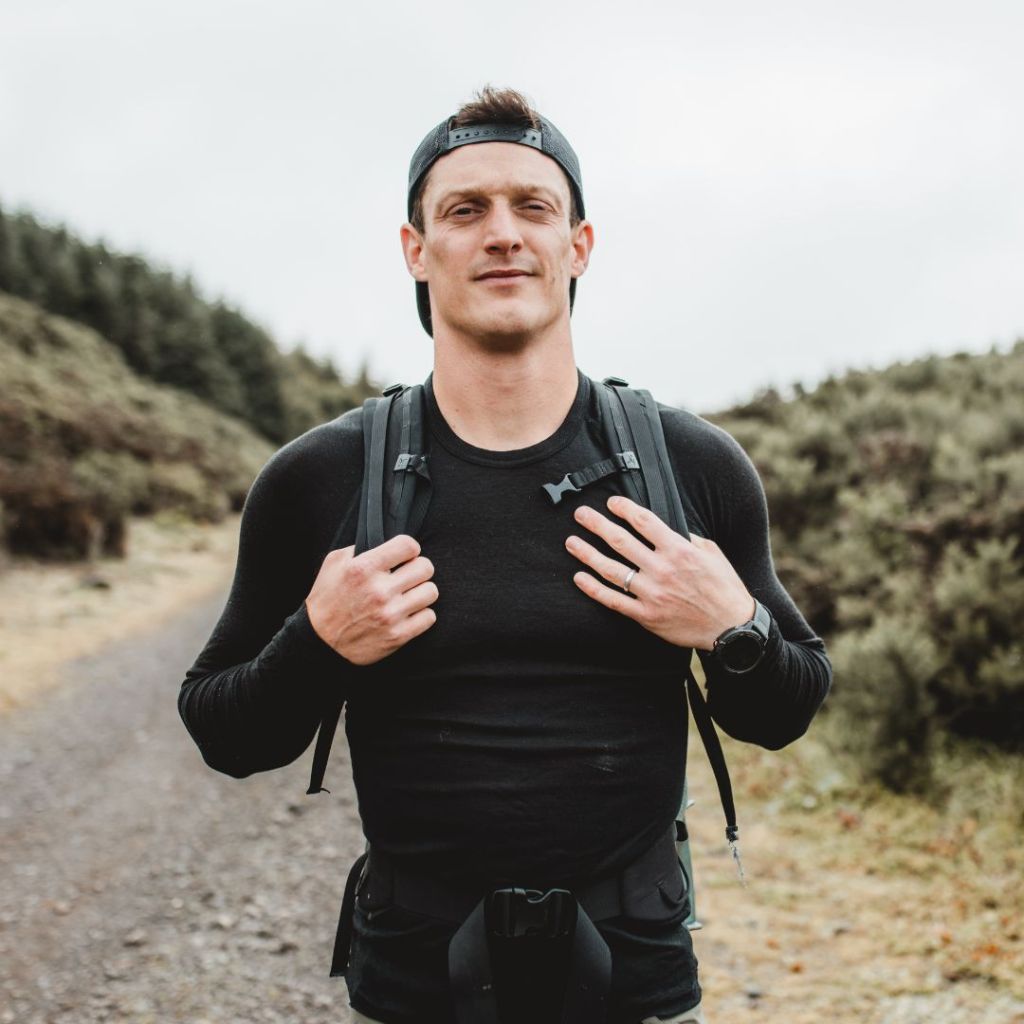
Tom Foxley helps freedom seekers become who they’re meant to be. He was formerly a Royal Marines Commando and is a skier, mountaineer, climber, and business owner. He coaches people through a combination of mindset coaching, biohacking, and actionable philosophy. For more info, connect with him at the following:

LinkedIn
Instagram

KitUp For A Winter Adventure: Climbing In The Grampians

One of the things I love more than writing about my adventures is reading about other peoples adventures! Today we have the pleasure of seeing what Ben and his friends got up to in the Grampians over the weekend.

Just 2 Scottish lads (Ben and Ryan) at the summit of Tower Ridge, Ben Nevis after an incredible climb (March 2024).

Getting Started

Hey there, fellow adventurers! I’m Ben, a lover of all things climbing and mountaineering. I came across KitUp last year and have since used it as both an Owner and as a Renter (they have a great selection of winter climbing equipment available). Having just had one of the best Scottish winter weekends I thought it would be great time to share it with the community.

The day started with an incredibly early departure from my parents house in Glasgow, where we charged ourselves with strong coffee and popped ‘Ben Nevis’ into the GPS – the goal was to summit Tower Ridge, possibly the best mountaineering route in the UK. As with any mountaineering trip (especially in Scotland) it needs some prior planning – route selection, weather checks, equipment etc and this was one of those rare occasions that all went to plan and we were able to do exactly what we wanted to.

Upon arriving at the car park just after sunrise, we were greeted by postcard views of the snow-capped peaks that towered above us and the crisp mountain air. We knew that this was going to be a truly special day out.

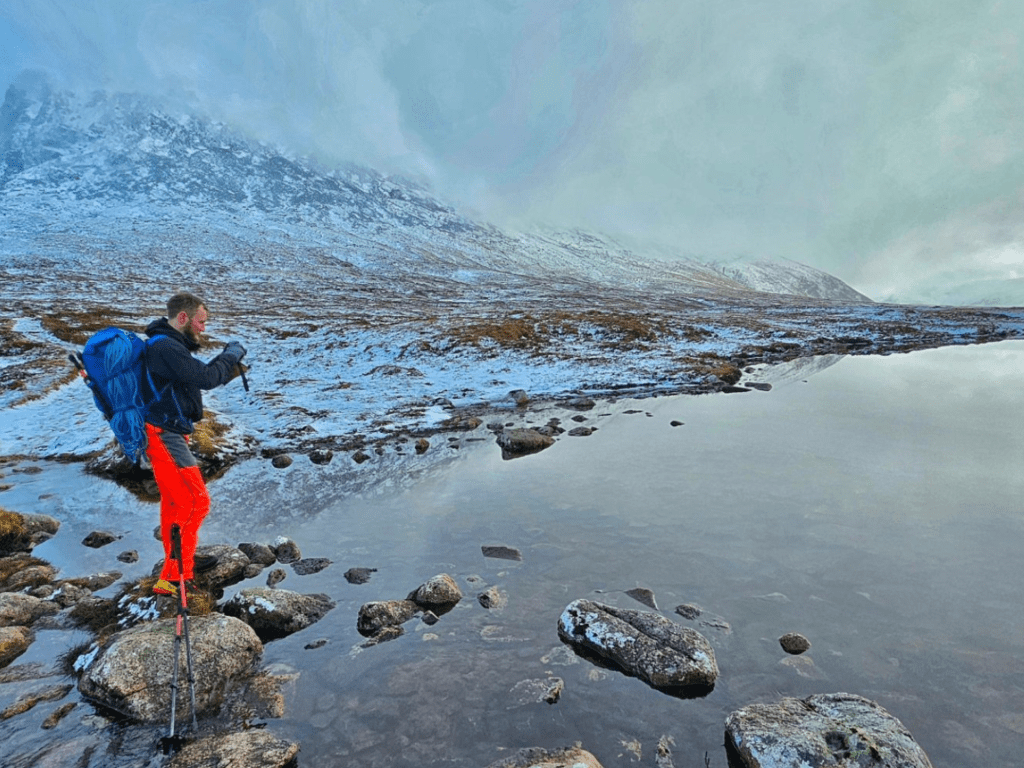
Ryan, trying hard not to fall into the freezing cold water at the foot of Ben Nevis (also taking a cracking photo for the Gram!).

Time To Get The Crampons On!

As we hiked up the slopes to the bottom of the climb, the beginning of Eastern Traverse, the snow started coming in hard but thankfully the winter was not too strong. This is where having the appropriate kit, especially clothing, comes in very handy. The mixture of wind, rain and snow that often characterise Scottish mountaineering require some sturdy stuff!

To begin the real climb we entered Douglas Gap a 20m groove/chimney leads to the crest of the ridge, which rises gently to become quite narrow (picture below). Whilst waiting for the others to come up behind me, it was a great time to snap a quick pic and enjoy just how picturesque the area is. It can be a busy climb but luckily, we were almost totally alone.

The Douglas Gap on the West Gully of Ben Nevis. Ben is starting to feel a little chilly at this point!

Crux Time (The Difficult Part)

After the Douglas Gap we were faced with 3-4 pitches of harder climbing on the ‘Little Tower’ which took a good couple of hours to get through. We have all done a lot of climbing so this was not beyond our ability (if relatively new to winter hiking/climbing then I would recommend getting a guide from the likes of Lochaber Guides). This was then followed by a traverse across a steep bank of snow and then another pitch of climbing to the ‘Great Tower’, which the route is named after.

We then climbed up through the chimney (image below) via a series of steep wall sections and ledges. For those not wanting to do this, there are other, simpler routes to get to the summit.

Ryan climbing The Chimney – probably the toughest part of the climb!

After popping out of the top of the chimney it’s pretty smooth sailing to the summit – time for a quick cup of tea and a picture! Doing something like this with a group of friends is one of the best experiences. It creates a bond of trust and comfort that you won’t have with too many others.

An After-thought

As I reflect on this epic day on Ben Nevis, I can’t help but feel grateful for the opportunity. I totally understand the commitment that it takes to buy and store this equipment (for most people it is used so infrequently) but for the vast majority, its deeply unnecessary if nothing else. KitUp is a really valuable resource for not only trying new activities but for anyone that is limited by what they can travel with. The ability to rent equipment ahead of time also means that you meet new people and hopefully learn about new routes!

So, to all you aspiring adventurers out there, I urge you to seize the day and embark on your own winter climbing escapade. Whether you’re a seasoned pro or not, there’s something truly special about exploring the great outdoors and pushing your limits in the most breathtaking of settings.

With equipment from KitUp and a spirit of adventure in your heart, the possibilities are endless. So go ahead, grab your boots, pack your kit, and let’s make some memories that will last a lifetime. The Grampians are calling – will you answer?

Ben and Ryan at the bottom of Little Tower, during a climb of Tower Ridge on Ben Nevis.

KitUp Community Adventures

it is so inspiring to read about other peoples adventures. To see more of what Ben is up to, you can check out his instagram profile here. If you would like to feature your escapades in our blog, please get in touch with us at info@kitupadventures.com or via any of our social media channels.

Turning the Tide on Clothing Waste: How and Why We’re Tackling the UK’s Clothing Landfill Crisis

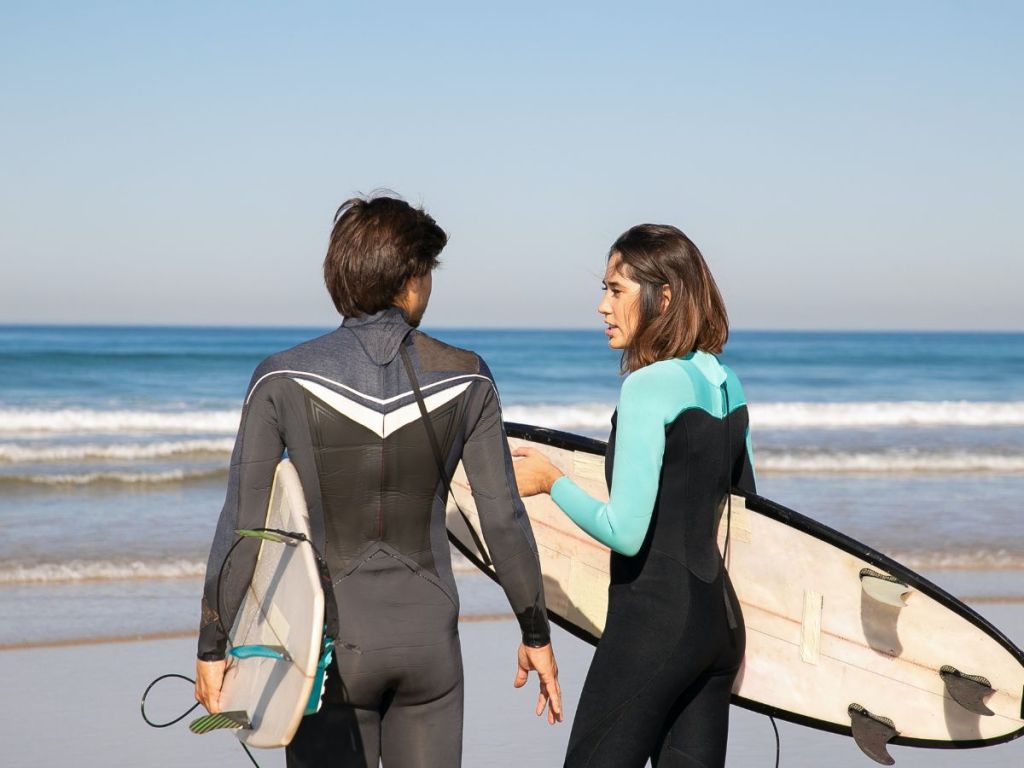
Outdoor clothing rental: wetsuits
There are multiple ways you can contribute to a greener, more sustainable future when it comes to outdoor sports clothing.

The fashion industry, including outdoor clothing, is facing a grave challenge – the ever-growing problem of clothing waste. With a colossal amount of clothing entering landfill instead of being used in more efficient, sustainable practices, it’s a significant project we have to face globally. 

At KitUp, we’re huge advocates for protecting our environment and reducing waste in the outdoor sports sector. We’ve created our outdoor kit rental platform to help combat the amount of waste in the industry, encouraging those that only use/need outdoor sports kit occasionally to hire rather than buy new. This will save on the amount of kit that is stored away taking up space, thrown away for not being used enough, or bought new for 1-2 uses per year.

Clothing plays a huge part in the outdoor sports industry, with many of us requiring specialist hiking clothes, cycling outfits or watersports clothing such as wetsuits. In this blog post, we will delve into the issues surrounding clothing waste, specifically focusing on outdoor clothing ending up in landfills, as well as discuss the complexities of recycled clothing and briefly examine the environmental consequences of sports fast fashion.

The Issue with Outdoor Clothing in Landfill

How much outdoor clothing enters landfill in the UK each year?

The statistics are alarming. According to WRAP, each year, the United Kingdom sends around 350,000 tonnes of textiles, including outdoor clothing, to landfill sites. This massive amount of waste takes up valuable space, emits harmful greenhouse gases and contributes to environmental degradation.

Recycled clothing doesn’t always have a happy ending

Recycled clothing often seems like a responsible choice, but the reality isn’t always as eco-friendly as we’d like to believe. A significant portion of recycled clothing still ends up in landfills. This is due to factors such as poor recycling processes, low-quality materials and limited demand for second-hand clothing. It’s clear that recycling alone isn’t enough to solve the clothing waste crisis. Which is where we are trying to help at KitUp, keep reading to find out how.

Why is sports fast fashion bad for the environment?

While we’re lovers of outdoor adventures, we need to take responsibility. Sports fast fashion, characterised by quick-turnaround, low-cost, trendy athletic wear and outdoor sports trends, has gained immense popularity in recent years. However, this industry is notoriously detrimental to the environment. The high demand for rapid production leads to overconsumption, excessive waste and environmental harm, all while sacrificing product quality and durability.

Why is textile waste bad for the environment?

How does outdoor clothing in landfill affect the environment?

When outdoor clothing ends up in landfills, it decomposes slowly, releasing harmful chemicals and greenhouse gases. These pollutants contribute to climate change, air and water pollution as well as overall environmental degradation. Methane and carbon dioxide emissions from decomposing textiles worsen global warming. Airborne chemicals can harm local communities, leading to respiratory issues, while water pollution affects aquatic ecosystems and potentially enters our food chain, posing health risks. Clothing waste, therefore, has profound and far-reaching environmental consequences that we must change.

How does outdoor clothing have an impact on greenhouse gases?

In the UK, the production and disposal of clothing, including outdoor sports gear, significantly boost greenhouse gas emissions. The energy-intensive manufacturing methods and extensive transportation networks involved leave a notable carbon footprint. To counter this impact, it’s imperative to prioritise strategies such as prolonging the life of our clothing and consistently opting for sustainable choices. These steps play a pivotal role in curbing emissions and fostering a more environmentally responsible approach to clothing consumption.

Outdoor clothing can impact greenhouse gases due to the production and disposal practices
Due to the negligent production and disposal practices, outdoor clothing can have a huge impace on greenhouse gases.

What are microplastics and what impact do they have?

Microplastics are tiny plastic particles that shed from synthetic fabrics when washed. These microplastics make their way into waterways, harming aquatic life and entering the food chain. Outdoor clothing, often made from synthetic materials such as nylon or polyester, is a notable contributor to this microplastic pollution. Therefore, it’s important to invest in outdoor clothing made by businesses that have researched fabrics and used sustainable practices in every element of their clothing production.

How you can say no to fast fashion in outdoor sports

In the quest to address the environmental challenges posed by fast fashion, we’re passionate about driving positive change. We believe that consumer choices play a pivotal role in mitigating the adverse impacts of sports fast fashion. Instead of perpetually indulging in the purchase of cheap, low-quality items, we encourage you to embrace a more sustainable and mindful approach.

Invest in high-quality

Consider investing in high-quality outdoor sports clothing that’s purposefully designed to endure the test of time. By opting for products that prioritise sustainability, durability and longevity, you not only elevate your outdoor experience but also contribute to a more responsible and eco-friendly fashion ecosystem.

Further, we recommend you spend a little time learning how to look after your kit properly. From washing and use to ironing and storage, there are plenty of tips online about how you can get the most out of the kit you invest in, to ensure it lasts that little longer. 

Rent outdoor sports clothing instead of buying new

We get it, brand new, high-quality outdoor sports clothing can cost a bomb. But, another significant avenue for reducing the environmental footprint of clothing lies in the world of pre-loved outdoor sports gear. 

By renting from others, you actively participate in minimising the environmental impact associated with the production and disposal of clothing. Not only is it a sustainable approach to outdoor fashion, as it encourages the shared use of gear, but it reduces the need for constant production and purchase of new items. Plus, it’s a practical way to experience premium outdoor gear without the hefty price tag. Win-win, right?

That’s where KitUp comes in. On our online peer-to-peer sports rental platform, we’ve introduced ‘clothing’ categories, specifically for you to rent outdoor sports clothing for you to participate in unforgettable adventures, without the hefty price tag of buying new. Simply create an account and keep an eye on any new arrivals near you to rent. 

Look for brands with sustainable values

Many outdoor sports brands will also be on a mission to reduce their environmental impact – but others won’t care so much. Pay attention to the brands you purchase your outdoor sports clothing from. Are they transparent about their supply chain? Do you know where they source their materials? Was the item made halfway around the world, increasing the carbon footprint of packaging and delivering your item? 

If you need to purchase, you can make a difference by purchasing from brands that are aligned with your values and that are committed to global change when it comes to outdoor sports kit. 

List your quality outdoor sports clothing on KitUp

Do you own high-quality outdoor sports clothing that’s in good condition? If you’re ready to be a part of the solution and make a positive change in your approach to outdoor clothing, KitUp is here to support your mission. We are committed to fostering sustainable choices within the outdoor sports community.

You can actively contribute by listing your quality outdoor sports clothing on our platform. By doing so, you help us create a marketplace that values durability, sustainability and responsible consumption. Together, we can redefine the way outdoor enthusiasts access and appreciate their gear, all while minimising our impact on the environment. From wetsuits and drysuits, to hiking boots, to the realm of children’s outdoor sports kit – we’d love to see it listed on our platform. Create an account to list your items today.

How you can drive a change in the UK outdoor clothing crisis

The UK’s clothing landfill crisis is a pressing issue that demands our attention and collective action. By choosing high-quality, sustainable outdoor sports clothing, considering rental options and actively participating in KitUp‘s mission to reduce textile waste, we can turn the tide on clothing waste and leave a lasting positive impact on our environment. Take the first step towards change today by either listing your quality outdoor sports clothing on KitUp, or renting something for yourself.

How to Adventure More Sustainably

Paddleboarding in nature

In a world where our planet’s health is at the forefront of our minds, it’s time to embark on a new kind of expedition. In recent years, the global concern for environmental sustainability has grown significantly. As outdoor enthusiasts, we have a responsibility to reduce our impact on the environment while still enjoying the wonders of nature.

As avid adventurers ourselves, we at KitUp still believe that sustainability and exploration can go hand-in-hand, but only with conscious, eco-first decision-making along the way. In this article, we’ll explore ways in which you can travel and take part in outdoor sports more sustainably.

What does it mean to adventure sustainably? 

Adventuring sustainably is the same as adventuring in general – but framed with an eco-first mindset, a set of principles that guide our actions and decisions while exploring the great outdoors. We look at the small and significant ways in which we can reduce the impact of our outdoor sports on the environment and the oceans.

It’s all in the packing

When it comes to sustainable adventures, it’s crucial to pack light and smart. Choose gear made from eco-friendly materials such as recycled polyester, organic cotton, or bamboo. Remember, quality beats quantity! Opt for versatile items that serve multiple purposes and are durable enough to withstand the test of time. 

Further, when you’re thinking of buying new for your trip, take into consideration the brands you are investing in. What sustainability policies do they have in place? How are their products made and what fabrics do they use? 

Avoid single-use plastics

Single-use plastic water bottle

Say goodbye to single-use plastics and hello to reusable alternatives. According to the UN, an ‘estimated 19-23 million tonnes end up in lakes, rivers and seas annually.’ As outdoor sports lovers, we can support the mission to reduce plastic in our seas while taking part in adventures.

While travelling, replace disposable water bottles with stainless steel ones or invest in a collapsible water bottle that saves space when empty. Ditch plastic cutlery and invest in lightweight, reusable utensil sets. By being mindful of the waste we generate, we can reduce our environmental impact and set an example for others to follow.

Choose forward-thinking locations where possible

When planning your sustainable adventure, consider the environmental impact of your destination choice. Though this may not always be possible, try to opt for places that prioritise conservation efforts, have established protected areas, or promote sustainable tourism practices. Research destinations that value the preservation of their natural and cultural heritage, and support initiatives that aim to reduce the negative impacts of tourism. 

For example, the beautiful Azores islands have been listed amongst the most Sustainable Destinations Global Top 100 regions in the world – and with so much to do and see, this adventure destination should be high up on your list! 

Similarly, Costa Rica is a leader in sustainable tourism, described as a ‘way of life’. With endless National Parks, volcanoes and rainforests, Costa Rica is a wonderful destination for your next sustainable adventure.

Aim to leave no trace

One of the golden rules of sustainable adventures is to leave nature as you found it, if not better. We recommend following the 7 principles of the ‘Leave No Trace’ movement, which are:

  1. Plan ahead and prepare
  2. Travel & camp on durable surfaces
  3. Dispose of waste properly
  4. Leave what you find 
  5. Minimise campfire impacts
  6. Respect wildlife
  7. Be considerate of others

We also highly recommend that you use established trails for hiking/cycling, as to not disturb natural habitats.

Choose eco-friendly transportation

Getting to your adventure destination is part of the excitement, but it’s crucial to consider the environmental impact of your travel choices. Opt for public transportation, carpooling, or eco-friendly vehicles whenever possible. 

By hiring on KitUp, you can reduce your environmental impact when travelling by not having to take your kit on your journey with you, saving space on your journey for more people instead. Further, on arrival, why not explore your surroundings on foot or by hiring a bike on KitUp? This environmentally-friendly method of travel is not only healthy for the planet, but for you too. 

The London Adventurer II

For the second of our three part series, we explore in and around London on two wheels. We will take you from the instagram worthy sites along the Thames to out-the-saddle climbs on Box Hill. Whether you are the most recreational cyclist looking for a fun Saturday afternoon or whether you are desperate for a new training route, we have you covered. As always, we would love to hear from you about your favourite routes in London.

1. London to Brighton

Distance: 87 km (one way) 174 km (return trip)

Difficulty: Hard (one way) and very hard (return trip)

Start Point: Richmond Park

London to Brighton is now one of the most popular cycling routes in the area. The most famous event is the annual ‘London to Brighton’ charity race, where all proceeds go to charities of your choice. It has been running from 1976 and has grown from a group of 34 people to over 14,000 now! There is something quite novel about cycling south from the Capital City, and not stopping until the sea won’t let you go any further.

There are lots of places to start but we like to start from Richmond Park, then follow the the route (GPX file here) through the Surrey Hills and the South Downs. When you reach the mighty Ditchling Beacon, you only have one big push before it is downhill all the way to the finish!

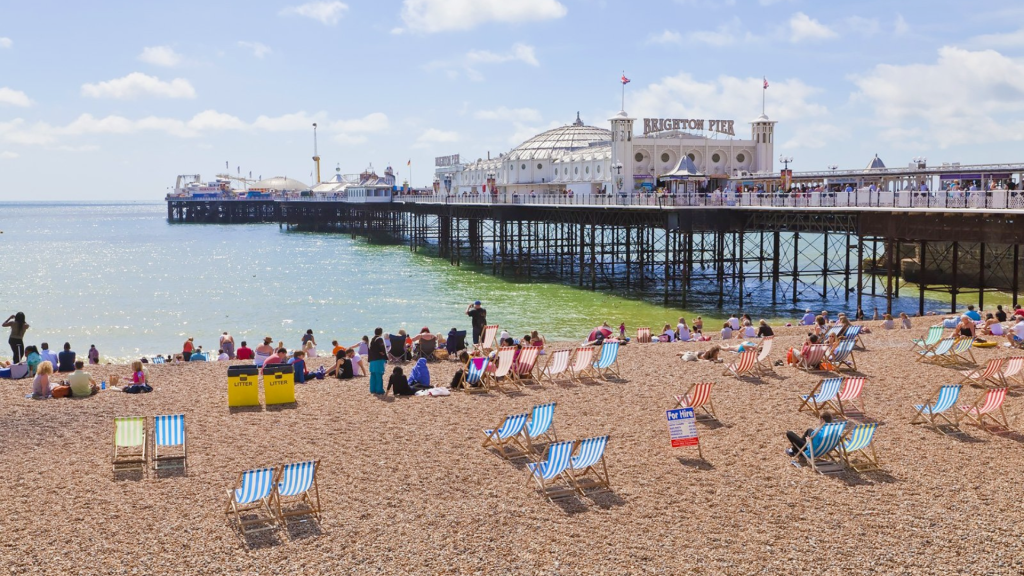
As you get to the beach you will be rewarded with a host of fantastic eateries and bars. There are plenty of deck chairs on the beach so grab yourself a drink and celebrate (be aware of the seagulls!). When ready to leave, its a 5 minute cycle to the main station and then a £12 ticket back into London.

2. Richmond Park

Distance: 12 km per lap

Difficulty: Medium

Start Point: Roehampton Gate

Richmond Park is the largest green area within Greater London. It is the preferred training location for many cyclists in the city. It has hills, beautiful landscapes, plenty of wildlife, a couple of great coffee-stops and is easy to get to. If you arrive between 7am and 9 am (particularly at the weekend) so will often see the professionals out training too as they fly by you!

Richmond is not only a great place for road cycling but has a stunning gravel route and is also fun to explore on mountain bike. There is a cycle rental shop close to Roehampton Gate and their proceeds go to maintaining the park and the cycle infrastructure. If you have a family it is also a great place to have a walk and get a little bit of fresh air – something that is becoming harder to find in many parts of London!

3. Hampton Court Palace to Windsor Castle

Distance: 60 km

Difficulty: Medium

Start Point: Hampton Court Palace (near Kingston)

You can either start cycling from home and make your way to Hampton Court or you can take the train and start there. The Overground services are incredibly easy to use with bikes (unlike many train operators now…). This route starts and finishes with a marvel of British Architecture and History. Hampton Court was the home of Henry 8th and the deer park was his personal hunting ground! Windsor Castle was the home of Her Majesty The Queen, now King Charles. If you start early and get to Windsor before 11am you can also enjoy the Changing Of The Guard Ceremony which happens every day!

As you head off, use the National Cycle Route 4 which will take you along the river all the way out to Windsor Great Park. Feel free to spend some time exploring (stay on the roads or you will get shouted at!), a bite to eat and glorious views of the Castle! As you leave Windsor you will say wave goodbye to Route 4 and cycle to the Queen Mother Reservoir. From here you will cycle past London Heathrow Airport and then along the road directly back to the front of Hampton Court Palace. Well done!

Get the GPX route here.

4. Battersea Park To Greenwich

Distance: 16 km

Difficulty: Easy

Start Point: Battersea Park

We are back on National Cycle Route 4 but this time we are heading west! This is a real leisurely ride that can be done on anything from a Santander (Borris) bike through to your time trial racing machine (if you really want). Make sure to get some great video as you cycle by the London Eye, the Globe Theatre and the Tate Modern – all of which you can stop off at if you are in tourist mode. This route is generally low-traffic meaning that you can really relax and enjoy it. If you’re feeling peckish make sure to hit the famous Borough Market for some classy street food coming from all over the world. Once fuelled and on the road, it’s a gentle cycle all the way to the Royal Observatory at Greenwich.

5. Thames Valley Cycle Path

Distance: 160km

Difficulty: Hard

Start Point: Putney Bridge

This one is in here for the real adventurers out there! This is either a long day in the saddle or a lovely thing to do over a weekend. Once again we are taking use of the traffic free zones of the National Cycle Network and following it from Putney Bridge, through Thames Valley and out to Oxford. More than half of the route is completely traffic free!

Most of the route is pretty flat until you get to the Chiltern Hills (close to Oxford). Here you can choose to spend some time exploring the area and add some elevation, or you can take the direct route along the path and take yourself to Oxford for some well earned grub!

Get the GPX file here.

Thanks for reading!

We always love to hear from you so if there is anything that you want us to write about, or want help planning your next adventure, we are here to help! Get in touch Here.

See you out there!

Bruce

https://www.instagram.com/kitupadventures/

Outdoor Equipment: The Benefits Of Rental

When we started KitUp we wanted to make a better solution for 2 groups of people: those that already own lots of outdoor kit, and those that do not. Yes…that means everyone!! We had enough of being limited to rubbish rental kit (or having to pay through the nose for ‘premium rental packages’) nd also know the faff and the limitations of travelling with your kit. With that in mind, we decided to do something about it.

Let us tell you how we have made your life just that little bit easier. First we will take the position of the kit owner, then we will talk about the kit renter. Here goes.

Challenges For Kit Owners

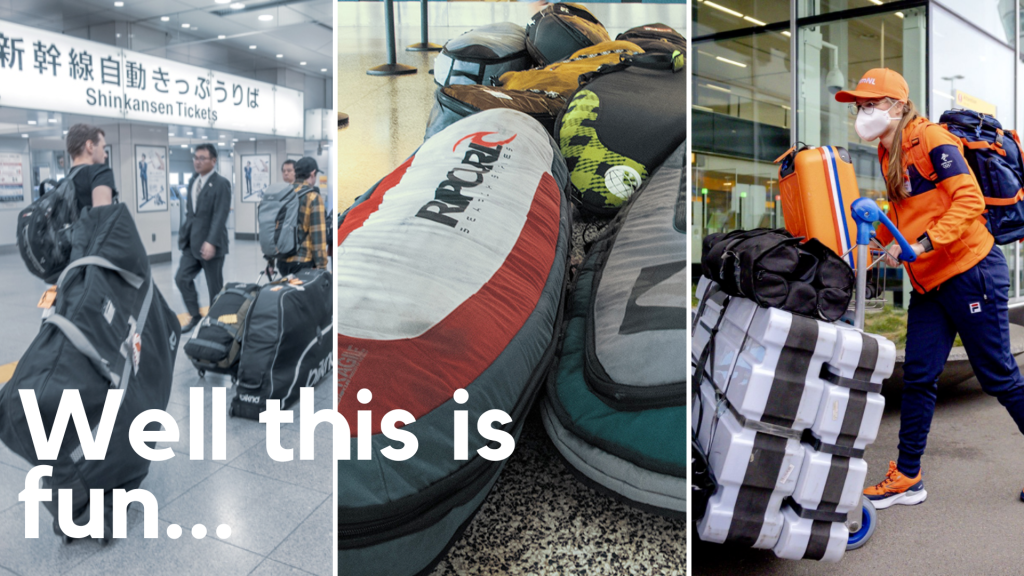
If you have ever found yourself in any of these situations (or similar) you will be all too familiar of the difficulties of travelling with outdoor equipment. From international travel through airports to local travel by car or train, taking our much loved kit is sometimes more trouble than its worth (although we rarely acknowledge this).

Having spent years travelling with bikes, surfboards and skis on flights, here are a few of the situations that I have found that made me think about alternate solutions.

  1. Surfboard damage. A few years ago I was in South Africa on a surf trip and found the board that I had been looking for, for years. A beautiful fish with glassed-in find (they cannot come out) so I bought it and quickly fell in love with it. When flying back to London Heathrow I spent about 3 hours wrapping it in memory foam, bubble wrap and then into a board bag. When I got home there was serious damage in 3 locations and I was devastated. Luckily the talented Ding Doctor in Bristol was able to save it.
  2. Long travel times. On a trip to the south of France for some skiing and cycling we decided to drive because we had far too much kit to take the train or try and fly. This added an extra day on either side and became far more expensive than expected. When you add up the fuel costs, ferry or train, tolls through France and food/water throughout the day it adds up very quickly. We realised that even if we used the ‘premium rental packages’ the cost would have been about the same, minus the travel faff!
  3. Outdoor kit evolves quickly. When most of us make the exciting decision to invest in new kit, it’s usually because we are about to go away on a trip, so convince ourselves that its worthwhile. However, the next use can often be many months away and by that time, newer better iterations have already been developed. The average UK skier will have to use their skis on at least 1 trip per year for 6 – 8 years to get back the cost that renting each time would equate to. If you were to spend a day on new skis compared to those 8 years ago, you would notice significant upgrades in weight and performance!
  4. Irregular use. As much as I would love to spend every day skiing in the mountains or surfing, the unfortunate reality of life is that this is rare. So much of the equipment bought and stored gets very little use meaning that we are needlessly manufacturing and transporting kit around the world resulting in increased pollution from manufacture and additional carbon emissions in the logistics of getting it to the shop and then into your home. The outdoor industry needs to start taking sustainability and climate change more seriously – the natural environment is what brings us so much pleasure yet little is being done to conserve it. Rental is a way that each of us can do our part.

Challenges For Kit Renters

With that being said, the current rental solutions are often far from the answer! I have been into so many ski, bike and surfboard rental companies (UK and abroad) where the available selection is awful. For many companies, courses are where they focus their time, hire is just a side hustle for kit that isn’t being used. This is by no-means brushing every company with this brush, but the great ones can be very hard to find. Here are the problems that we have found:

  1. Access to quality kit. I was recently in Brazil, one of the surf capitals of the world and was amazed at how difficult it was to find a decent board to surf at Copacabana and Ipanema beaches (the 2 main beaches in Rio). There was not a single place to rent along Copacabana despite the number of surfers in the water and the high quality waves. I was told to go to Ipanema to rent, but the boards available on the beach looked like they came out of the original ‘The Endless Summer’ – a wonderful film but not exactly what I was looking for…
  2. High rental prices. This really does speak for itself. On the same Brazil trip mentioned above, we wanted to hire bikes for the day to explore the beautiful forest surrounding a town we were visiting. There were tourist agencies offering guided cycle rides at the cost of nearly £100 each for 4 hours (Crazy!!) and we were told that if we wanted to go off and do our own thing we could, but the price would be the same! Just one story of mental rental prices…
  3. Inconvenient. For both instances mentioned above, they took a lot of time and effort for little gain. I spent about 3 hours looking for a surfboard and my wife and I then spent another morning trying to get out for a cycle. On a once in a lifetime trip, the feeling of time being wasted is horrible and its something we want to cut out as much as possible.

We Solved It!

So far this doesn’t paint the best picture, but wait…Its changing with KitUp!

For kit owners, KitUp allows you to rent out your kit when you aren’t using it. Simple. With the current economic climate every little helps and now you can make your kit work for you and earn some of that initial investment back over time. It also means that your overall carbon footprint and impact on the environment will decrease as you are allowing others to get into the outdoors without having to buy new kit. Your kit will get more use throughout its life, exactly as it was designed!

For those looking for kit, you can now see exactly what is available, where it is, how much it will cost and then can have a conversation with owner or rental business without wasting a minute, all within the app! We have seen great quality equipment being listed at amazing prices and we are so excited at the thought of this on a global scale. Imagine going anywhere in the world and logging into one app to find kit, instructors, the top locations and meet new people?!

Give it a try. You won’t regret it.