Turning the Tide on Clothing Waste: How and Why We’re Tackling the UK’s Clothing Landfill Crisis

Outdoor clothing rental: wetsuits
There are multiple ways you can contribute to a greener, more sustainable future when it comes to outdoor sports clothing.

The fashion industry, including outdoor clothing, is facing a grave challenge – the ever-growing problem of clothing waste. With a colossal amount of clothing entering landfill instead of being used in more efficient, sustainable practices, it’s a significant project we have to face globally. 

At KitUp, we’re huge advocates for protecting our environment and reducing waste in the outdoor sports sector. We’ve created our outdoor kit rental platform to help combat the amount of waste in the industry, encouraging those that only use/need outdoor sports kit occasionally to hire rather than buy new. This will save on the amount of kit that is stored away taking up space, thrown away for not being used enough, or bought new for 1-2 uses per year.

Clothing plays a huge part in the outdoor sports industry, with many of us requiring specialist hiking clothes, cycling outfits or watersports clothing such as wetsuits. In this blog post, we will delve into the issues surrounding clothing waste, specifically focusing on outdoor clothing ending up in landfills, as well as discuss the complexities of recycled clothing and briefly examine the environmental consequences of sports fast fashion.

The Issue with Outdoor Clothing in Landfill

How much outdoor clothing enters landfill in the UK each year?

The statistics are alarming. According to WRAP, each year, the United Kingdom sends around 350,000 tonnes of textiles, including outdoor clothing, to landfill sites. This massive amount of waste takes up valuable space, emits harmful greenhouse gases and contributes to environmental degradation.

Recycled clothing doesn’t always have a happy ending

Recycled clothing often seems like a responsible choice, but the reality isn’t always as eco-friendly as we’d like to believe. A significant portion of recycled clothing still ends up in landfills. This is due to factors such as poor recycling processes, low-quality materials and limited demand for second-hand clothing. It’s clear that recycling alone isn’t enough to solve the clothing waste crisis. Which is where we are trying to help at KitUp, keep reading to find out how.

Why is sports fast fashion bad for the environment?

While we’re lovers of outdoor adventures, we need to take responsibility. Sports fast fashion, characterised by quick-turnaround, low-cost, trendy athletic wear and outdoor sports trends, has gained immense popularity in recent years. However, this industry is notoriously detrimental to the environment. The high demand for rapid production leads to overconsumption, excessive waste and environmental harm, all while sacrificing product quality and durability.

Why is textile waste bad for the environment?

How does outdoor clothing in landfill affect the environment?

When outdoor clothing ends up in landfills, it decomposes slowly, releasing harmful chemicals and greenhouse gases. These pollutants contribute to climate change, air and water pollution as well as overall environmental degradation. Methane and carbon dioxide emissions from decomposing textiles worsen global warming. Airborne chemicals can harm local communities, leading to respiratory issues, while water pollution affects aquatic ecosystems and potentially enters our food chain, posing health risks. Clothing waste, therefore, has profound and far-reaching environmental consequences that we must change.

How does outdoor clothing have an impact on greenhouse gases?

In the UK, the production and disposal of clothing, including outdoor sports gear, significantly boost greenhouse gas emissions. The energy-intensive manufacturing methods and extensive transportation networks involved leave a notable carbon footprint. To counter this impact, it’s imperative to prioritise strategies such as prolonging the life of our clothing and consistently opting for sustainable choices. These steps play a pivotal role in curbing emissions and fostering a more environmentally responsible approach to clothing consumption.

Outdoor clothing can impact greenhouse gases due to the production and disposal practices
Due to the negligent production and disposal practices, outdoor clothing can have a huge impace on greenhouse gases.

What are microplastics and what impact do they have?

Microplastics are tiny plastic particles that shed from synthetic fabrics when washed. These microplastics make their way into waterways, harming aquatic life and entering the food chain. Outdoor clothing, often made from synthetic materials such as nylon or polyester, is a notable contributor to this microplastic pollution. Therefore, it’s important to invest in outdoor clothing made by businesses that have researched fabrics and used sustainable practices in every element of their clothing production.

How you can say no to fast fashion in outdoor sports

In the quest to address the environmental challenges posed by fast fashion, we’re passionate about driving positive change. We believe that consumer choices play a pivotal role in mitigating the adverse impacts of sports fast fashion. Instead of perpetually indulging in the purchase of cheap, low-quality items, we encourage you to embrace a more sustainable and mindful approach.

Invest in high-quality

Consider investing in high-quality outdoor sports clothing that’s purposefully designed to endure the test of time. By opting for products that prioritise sustainability, durability and longevity, you not only elevate your outdoor experience but also contribute to a more responsible and eco-friendly fashion ecosystem.

Further, we recommend you spend a little time learning how to look after your kit properly. From washing and use to ironing and storage, there are plenty of tips online about how you can get the most out of the kit you invest in, to ensure it lasts that little longer. 

Rent outdoor sports clothing instead of buying new

We get it, brand new, high-quality outdoor sports clothing can cost a bomb. But, another significant avenue for reducing the environmental footprint of clothing lies in the world of pre-loved outdoor sports gear. 

By renting from others, you actively participate in minimising the environmental impact associated with the production and disposal of clothing. Not only is it a sustainable approach to outdoor fashion, as it encourages the shared use of gear, but it reduces the need for constant production and purchase of new items. Plus, it’s a practical way to experience premium outdoor gear without the hefty price tag. Win-win, right?

That’s where KitUp comes in. On our online peer-to-peer sports rental platform, we’ve introduced ‘clothing’ categories, specifically for you to rent outdoor sports clothing for you to participate in unforgettable adventures, without the hefty price tag of buying new. Simply create an account and keep an eye on any new arrivals near you to rent. 

Look for brands with sustainable values

Many outdoor sports brands will also be on a mission to reduce their environmental impact – but others won’t care so much. Pay attention to the brands you purchase your outdoor sports clothing from. Are they transparent about their supply chain? Do you know where they source their materials? Was the item made halfway around the world, increasing the carbon footprint of packaging and delivering your item? 

If you need to purchase, you can make a difference by purchasing from brands that are aligned with your values and that are committed to global change when it comes to outdoor sports kit. 

List your quality outdoor sports clothing on KitUp

Do you own high-quality outdoor sports clothing that’s in good condition? If you’re ready to be a part of the solution and make a positive change in your approach to outdoor clothing, KitUp is here to support your mission. We are committed to fostering sustainable choices within the outdoor sports community.

You can actively contribute by listing your quality outdoor sports clothing on our platform. By doing so, you help us create a marketplace that values durability, sustainability and responsible consumption. Together, we can redefine the way outdoor enthusiasts access and appreciate their gear, all while minimising our impact on the environment. From wetsuits and drysuits, to hiking boots, to the realm of children’s outdoor sports kit – we’d love to see it listed on our platform. Create an account to list your items today.

How you can drive a change in the UK outdoor clothing crisis

The UK’s clothing landfill crisis is a pressing issue that demands our attention and collective action. By choosing high-quality, sustainable outdoor sports clothing, considering rental options and actively participating in KitUp‘s mission to reduce textile waste, we can turn the tide on clothing waste and leave a lasting positive impact on our environment. Take the first step towards change today by either listing your quality outdoor sports clothing on KitUp, or renting something for yourself.

How to Adventure More Sustainably

Paddleboarding in nature

In a world where our planet’s health is at the forefront of our minds, it’s time to embark on a new kind of expedition. In recent years, the global concern for environmental sustainability has grown significantly. As outdoor enthusiasts, we have a responsibility to reduce our impact on the environment while still enjoying the wonders of nature.

As avid adventurers ourselves, we at KitUp still believe that sustainability and exploration can go hand-in-hand, but only with conscious, eco-first decision-making along the way. In this article, we’ll explore ways in which you can travel and take part in outdoor sports more sustainably.

What does it mean to adventure sustainably? 

Adventuring sustainably is the same as adventuring in general – but framed with an eco-first mindset, a set of principles that guide our actions and decisions while exploring the great outdoors. We look at the small and significant ways in which we can reduce the impact of our outdoor sports on the environment and the oceans.

It’s all in the packing

When it comes to sustainable adventures, it’s crucial to pack light and smart. Choose gear made from eco-friendly materials such as recycled polyester, organic cotton, or bamboo. Remember, quality beats quantity! Opt for versatile items that serve multiple purposes and are durable enough to withstand the test of time. 

Further, when you’re thinking of buying new for your trip, take into consideration the brands you are investing in. What sustainability policies do they have in place? How are their products made and what fabrics do they use? 

Avoid single-use plastics

Single-use plastic water bottle

Say goodbye to single-use plastics and hello to reusable alternatives. According to the UN, an ‘estimated 19-23 million tonnes end up in lakes, rivers and seas annually.’ As outdoor sports lovers, we can support the mission to reduce plastic in our seas while taking part in adventures.

While travelling, replace disposable water bottles with stainless steel ones or invest in a collapsible water bottle that saves space when empty. Ditch plastic cutlery and invest in lightweight, reusable utensil sets. By being mindful of the waste we generate, we can reduce our environmental impact and set an example for others to follow.

Choose forward-thinking locations where possible

When planning your sustainable adventure, consider the environmental impact of your destination choice. Though this may not always be possible, try to opt for places that prioritise conservation efforts, have established protected areas, or promote sustainable tourism practices. Research destinations that value the preservation of their natural and cultural heritage, and support initiatives that aim to reduce the negative impacts of tourism. 

For example, the beautiful Azores islands have been listed amongst the most Sustainable Destinations Global Top 100 regions in the world – and with so much to do and see, this adventure destination should be high up on your list! 

Similarly, Costa Rica is a leader in sustainable tourism, described as a ‘way of life’. With endless National Parks, volcanoes and rainforests, Costa Rica is a wonderful destination for your next sustainable adventure.

Aim to leave no trace

One of the golden rules of sustainable adventures is to leave nature as you found it, if not better. We recommend following the 7 principles of the ‘Leave No Trace’ movement, which are:

  1. Plan ahead and prepare
  2. Travel & camp on durable surfaces
  3. Dispose of waste properly
  4. Leave what you find 
  5. Minimise campfire impacts
  6. Respect wildlife
  7. Be considerate of others

We also highly recommend that you use established trails for hiking/cycling, as to not disturb natural habitats.

Choose eco-friendly transportation

Getting to your adventure destination is part of the excitement, but it’s crucial to consider the environmental impact of your travel choices. Opt for public transportation, carpooling, or eco-friendly vehicles whenever possible. 

By hiring on KitUp, you can reduce your environmental impact when travelling by not having to take your kit on your journey with you, saving space on your journey for more people instead. Further, on arrival, why not explore your surroundings on foot or by hiring a bike on KitUp? This environmentally-friendly method of travel is not only healthy for the planet, but for you too. 

Outdoor Equipment: The Benefits Of Rental

When we started KitUp we wanted to make a better solution for 2 groups of people: those that already own lots of outdoor kit, and those that do not. Yes…that means everyone!! We had enough of being limited to rubbish rental kit (or having to pay through the nose for ‘premium rental packages’) nd also know the faff and the limitations of travelling with your kit. With that in mind, we decided to do something about it.

Let us tell you how we have made your life just that little bit easier. First we will take the position of the kit owner, then we will talk about the kit renter. Here goes.

Challenges For Kit Owners

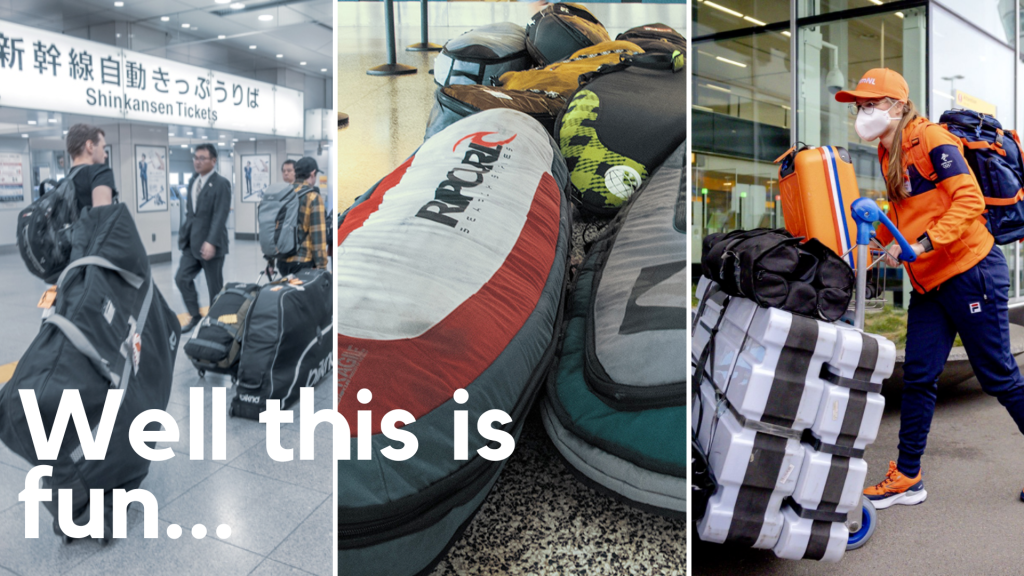
If you have ever found yourself in any of these situations (or similar) you will be all too familiar of the difficulties of travelling with outdoor equipment. From international travel through airports to local travel by car or train, taking our much loved kit is sometimes more trouble than its worth (although we rarely acknowledge this).

Having spent years travelling with bikes, surfboards and skis on flights, here are a few of the situations that I have found that made me think about alternate solutions.

  1. Surfboard damage. A few years ago I was in South Africa on a surf trip and found the board that I had been looking for, for years. A beautiful fish with glassed-in find (they cannot come out) so I bought it and quickly fell in love with it. When flying back to London Heathrow I spent about 3 hours wrapping it in memory foam, bubble wrap and then into a board bag. When I got home there was serious damage in 3 locations and I was devastated. Luckily the talented Ding Doctor in Bristol was able to save it.
  2. Long travel times. On a trip to the south of France for some skiing and cycling we decided to drive because we had far too much kit to take the train or try and fly. This added an extra day on either side and became far more expensive than expected. When you add up the fuel costs, ferry or train, tolls through France and food/water throughout the day it adds up very quickly. We realised that even if we used the ‘premium rental packages’ the cost would have been about the same, minus the travel faff!
  3. Outdoor kit evolves quickly. When most of us make the exciting decision to invest in new kit, it’s usually because we are about to go away on a trip, so convince ourselves that its worthwhile. However, the next use can often be many months away and by that time, newer better iterations have already been developed. The average UK skier will have to use their skis on at least 1 trip per year for 6 – 8 years to get back the cost that renting each time would equate to. If you were to spend a day on new skis compared to those 8 years ago, you would notice significant upgrades in weight and performance!
  4. Irregular use. As much as I would love to spend every day skiing in the mountains or surfing, the unfortunate reality of life is that this is rare. So much of the equipment bought and stored gets very little use meaning that we are needlessly manufacturing and transporting kit around the world resulting in increased pollution from manufacture and additional carbon emissions in the logistics of getting it to the shop and then into your home. The outdoor industry needs to start taking sustainability and climate change more seriously – the natural environment is what brings us so much pleasure yet little is being done to conserve it. Rental is a way that each of us can do our part.

Challenges For Kit Renters

With that being said, the current rental solutions are often far from the answer! I have been into so many ski, bike and surfboard rental companies (UK and abroad) where the available selection is awful. For many companies, courses are where they focus their time, hire is just a side hustle for kit that isn’t being used. This is by no-means brushing every company with this brush, but the great ones can be very hard to find. Here are the problems that we have found:

  1. Access to quality kit. I was recently in Brazil, one of the surf capitals of the world and was amazed at how difficult it was to find a decent board to surf at Copacabana and Ipanema beaches (the 2 main beaches in Rio). There was not a single place to rent along Copacabana despite the number of surfers in the water and the high quality waves. I was told to go to Ipanema to rent, but the boards available on the beach looked like they came out of the original ‘The Endless Summer’ – a wonderful film but not exactly what I was looking for…
  2. High rental prices. This really does speak for itself. On the same Brazil trip mentioned above, we wanted to hire bikes for the day to explore the beautiful forest surrounding a town we were visiting. There were tourist agencies offering guided cycle rides at the cost of nearly £100 each for 4 hours (Crazy!!) and we were told that if we wanted to go off and do our own thing we could, but the price would be the same! Just one story of mental rental prices…
  3. Inconvenient. For both instances mentioned above, they took a lot of time and effort for little gain. I spent about 3 hours looking for a surfboard and my wife and I then spent another morning trying to get out for a cycle. On a once in a lifetime trip, the feeling of time being wasted is horrible and its something we want to cut out as much as possible.

We Solved It!

So far this doesn’t paint the best picture, but wait…Its changing with KitUp!

For kit owners, KitUp allows you to rent out your kit when you aren’t using it. Simple. With the current economic climate every little helps and now you can make your kit work for you and earn some of that initial investment back over time. It also means that your overall carbon footprint and impact on the environment will decrease as you are allowing others to get into the outdoors without having to buy new kit. Your kit will get more use throughout its life, exactly as it was designed!

For those looking for kit, you can now see exactly what is available, where it is, how much it will cost and then can have a conversation with owner or rental business without wasting a minute, all within the app! We have seen great quality equipment being listed at amazing prices and we are so excited at the thought of this on a global scale. Imagine going anywhere in the world and logging into one app to find kit, instructors, the top locations and meet new people?!

Give it a try. You won’t regret it.

The KitUp Summer Guide

 KitUp App   FAQ’s   Instagram   Facebook 

The KitUp Summer Guide

What you will read in the next 5 minutes: Our 5 favourite places to surf, paddle, cycle and walk in the UK this summer.  Start your next #KitUpAdventure 

Surf – remember the suncream!

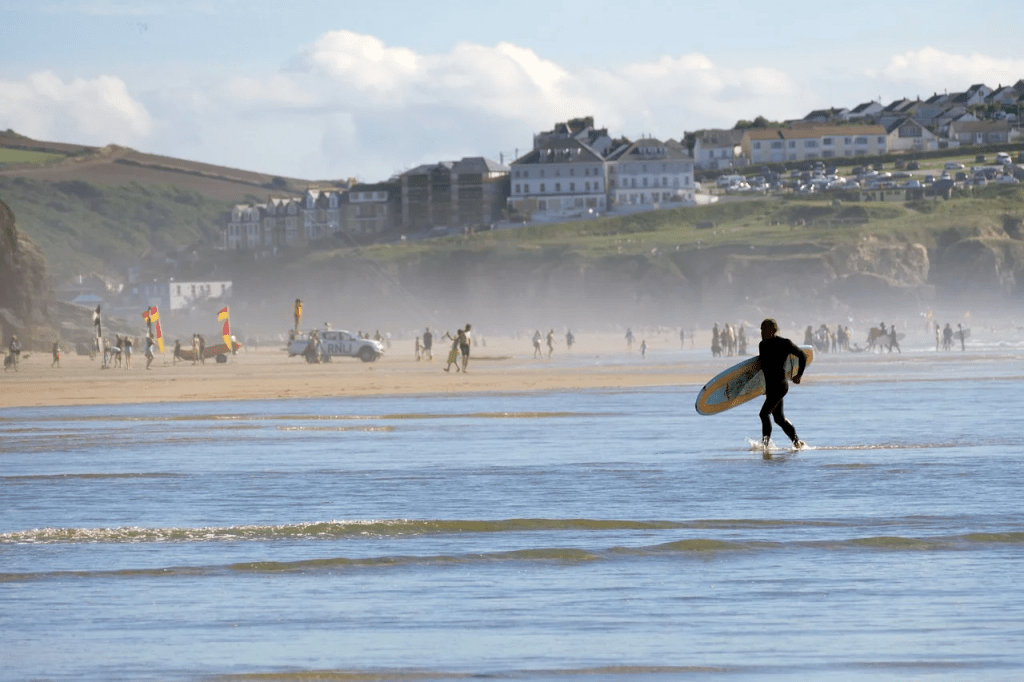
Summer surfing might not offer so many of the thrills of winter but that does not mean you can’t enjoy it. The water is finally warm(er), the sun is out and there is plenty of fun to be had on higher volume boards. It is also the perfect time to learn. If you want some bigger waves head straight to number 5.

1. Woolacombe, North Devon. Suitable for all experience levels and lovely town to explore after your surf. Woolacombe has been voted one of the best surfing beaches in the UK many times!

2. Newgale, Pembrokeshire. Suitable for all experience levels but can form a fast hollow wave at times – experienced surfers only. Great cafe/surf shop on the beach too.

3. Saltburn, Yorkshire. Picturesque seaside town. Beach is suitable for all with a point break at the south end. This gets very shallow at low tide so be careful of the rocks.

4. Pease Bay, Berwickshire. Being close to Edinburgh, this little beach-break can get busy when the conditions are good. Stunning beach that is suitable for all levels.

5. The Wave, Bristol (this might be cheating, but its so much fun). Without a doubt the best and most consistent surf in the UK this summer…It is not the same as being out in the ocean but if you crave a goos surf, this is the place for you. Pick your style, no battling for waves and suitable for all levels.

Paddle – Best spots for a summer adventure.

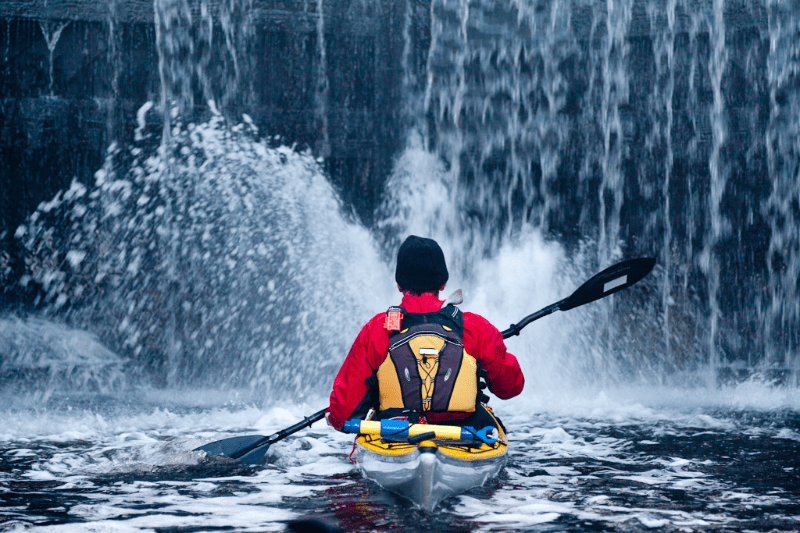
The summer is a great time to explore the British waterways by paddle. Whether you want to SUP across beautiful lakes or sheltered ocean bays or want day-long sea kayaking trips there is something here for all.

1. Ullswater, Lake District (SUP & kayak). One of the most famous spots in the Lake district and for good reason; it is often calm and beautiful. It’s an easy place for most people to paddle out from by either SUP or kayak.

2. Durdle Door, Dorset (SUP & kayak). Quite possibly the most iconic beach on the south coast with the enormous archway just meters from the beach. If you like Insta shots then this is the place to be! Top tip, get there early or parking will be very hard to come by.

3. Stackpole Quay, Pembrokeshire (SUP & kayak). Pembrokeshire is one of our favourite adventure spots across the UK for everything. This route from Stackpole to Barafundle Bay is a great spot to try and see the dolphins, porpoises and basking sharks that often play in the Bay.

4. River Cam, Cambridge (best for SUP). Most explore the architectural tour by punt, but we can do better! Take your SUP and explore at your own pace, stopping off for lunch at one of the many river-side restaurants along the way. Great for a day out with friends.

5. Oban, Argyll & Bute (sea kayak route). If you are looking for a real paddle adventure this summer then look no further. It feels remote, the weather is unpredictable and the landscapes are breathtaking. You will find no fresher fish and get to beaches that nobody else can. What more do yo need?!

Bike – Do you road, gravel or mountain?

In the UK we are spoilt for choice when it comes to cycling. From quiet roads through the Cotswolds to the downhill mountain-biking centres of the Black Mountains and Cairngorms there is something for all and never too far away. It is also much easier to find the motivation to get out in the summer, so let’s celebrate that!

1. Ballater. The heart of the Scottish Highlands, Ballater holds some of the finest MTB routes in the country like Heartbreak Ridge as well as great access to the winding roads within the Cairngorms National Park. Whatever your style, it won’t disappoint.

2. Cotswolds. Villages like Castle Combe that are nestled away in steep valleys give some amazing hill climbs and beautiful views. It is always easy to finish rides at traditional pubs, or in the centre of Bath if you want to explore the city at the heart of many period dramas!

3. Brecon Beacons & the Black Mountains. If you like the idea of epic scenery, buses taking you to the top of the mountains for you to then fly down them like a dog going after a stick then you need to get to the Black Mountains Cycling Centre ASAP. If that isn’t quite for you, there are also amazing gravel routes to explore and quiet country roads that will give you some serious elevation data for STAVA.

4. Isle of Wight. One of the best day-long cycling adventures in the UK. It all starts with a ferry ride from Portsmouth to Cowes (Red Funnel Ferries) which takes about 45 minutes. If you get this nice and early you will have time for a quick breakfast in Cowes before starting your 106 km circumnavigation of the wonderful island. Top-Tip: check the wind forecasts before deciding which way to go (clockwise or anti-clockwise).

5. Cheddar Gorge. There are some charming road cycling routes that all take you through the Gorge. If you have not been, we cannot recommend it enough, it feels like something from a film, especially in late spring when everything is flowering. Other than road cycling there are some great trails that give equally good views across Somerset.

Trail – make the most of the long days with a few long hikes.

We are all part of this KitUp Community because we love to explore and there is no better way of doing that, than on our own two feet. Walking through wild places connects us back with nature and there is now such a plethora of science telling us how essential this is for our own mental fitness. So far, picking 5 adventures for each activity has been tough, but this is on a whole new level. We could write books on the hikes that we recommend but will keep it short here! 

1. The Quiraing. The Isle of Skye is filled with beautiful hiking route but the needles of Quiraing are a spectacular sight (photo above). Other famous walks on Skye take you to the Fairy Pools and to the Old Man of Storr.

2. The West Highland Way. This 150 Km hike takes you from Milngavie in Glasgow to Fort William. It takes you from countryside parks to loch-shores and open moorlands to jutting mountains. It usually takes 3-5 days to complete but there are plenty of places to stop along the way. A great challenge to set yourself.

3. Kinder Scout. This full-day circular hike winds its way around a vast upland plateau. En route, walkers will pass the dramatic waterfall of Kinder Downfall, and can complete the hike with an optional but entertaining scramble across Grindsbrook Clough. This is just one of the many great days to be had in the Peak District.

4. Yorkshire 3 peaks. If you want a BIG day then look no further! This route cover 24 miles and has more than 1500m of elevation. It covers the peaks of Pen-y-ghent, Whernside and Ingleborough and if you are attempting ‘The Challenge‘ then you will be aiming for less than 12 hours. Best of luck, better get going!

5. Snowdon summit. You may not know this but there are 6 separate routes for getting to the summit of Snowdon. They vary in difficulty but all tend to be between 7 – 9 miles (and take about 6hrs there and back). This is just one of the many walks in the area and if you really want to get a multi-activity trip in, why not pair it with a surf at Surf Snowdonia or a cycle across the hills?!

Stay Safe This Summer

2021 was a record year for many things, including the number of rescues by the Royal National Lifeboat Association – more than 40,000! At KitUp we want everyone to make the most of the summer but we also want to reduce risks. When you decide to go to the breach, make sure you have thought about some of these questions:

1. Does the beach have lifeguards? This is a great resource for understanding what rescue facilities are where as well as having access to the top tips around water safety.

2. What is the weather going to do? This is particularly important for planning paddles on rivers, especially in areas prone to flash floods. In 2021 we saw some awful accidents with stand up paddlers that had not realised there was going to be intense rainfall and it resulted in tragic loss of life. Plan ahead + know the risks = far safer fun.

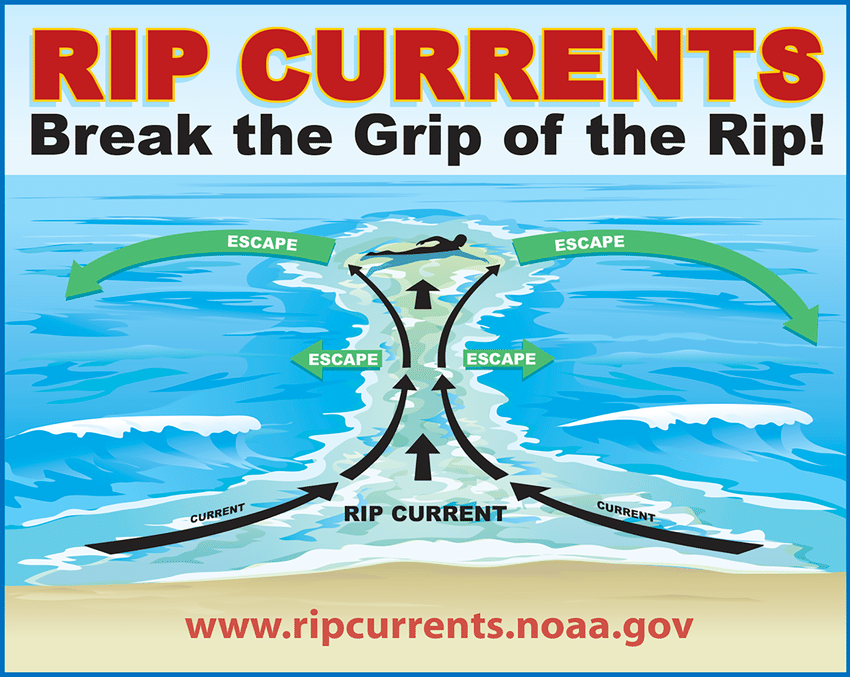
3. Do you know about rip tides? The number one cause of RNLI call out at beaches is people being pulled out to sea in rip tides. Rip’s are areas where the water is trying to get back out to sea far faster than at other points. You will see surfers use them as they are so much faster to get out behind the breaking zone. For swimmers, if you get caught, remember: stay calm and DO NOT fight against the current. Swim out to the side, parallel with the beach until you are free of the current and then come back in.

If you are enjoying the content in our news letters, please share it with your friends and encourage them to join the community by signing up HERE. You can also follow us on Instagram, Facebook & Twitter. If you would like us to answer your questions in the next newsletter, drop us an email and we will be sure to give you a shoutout!