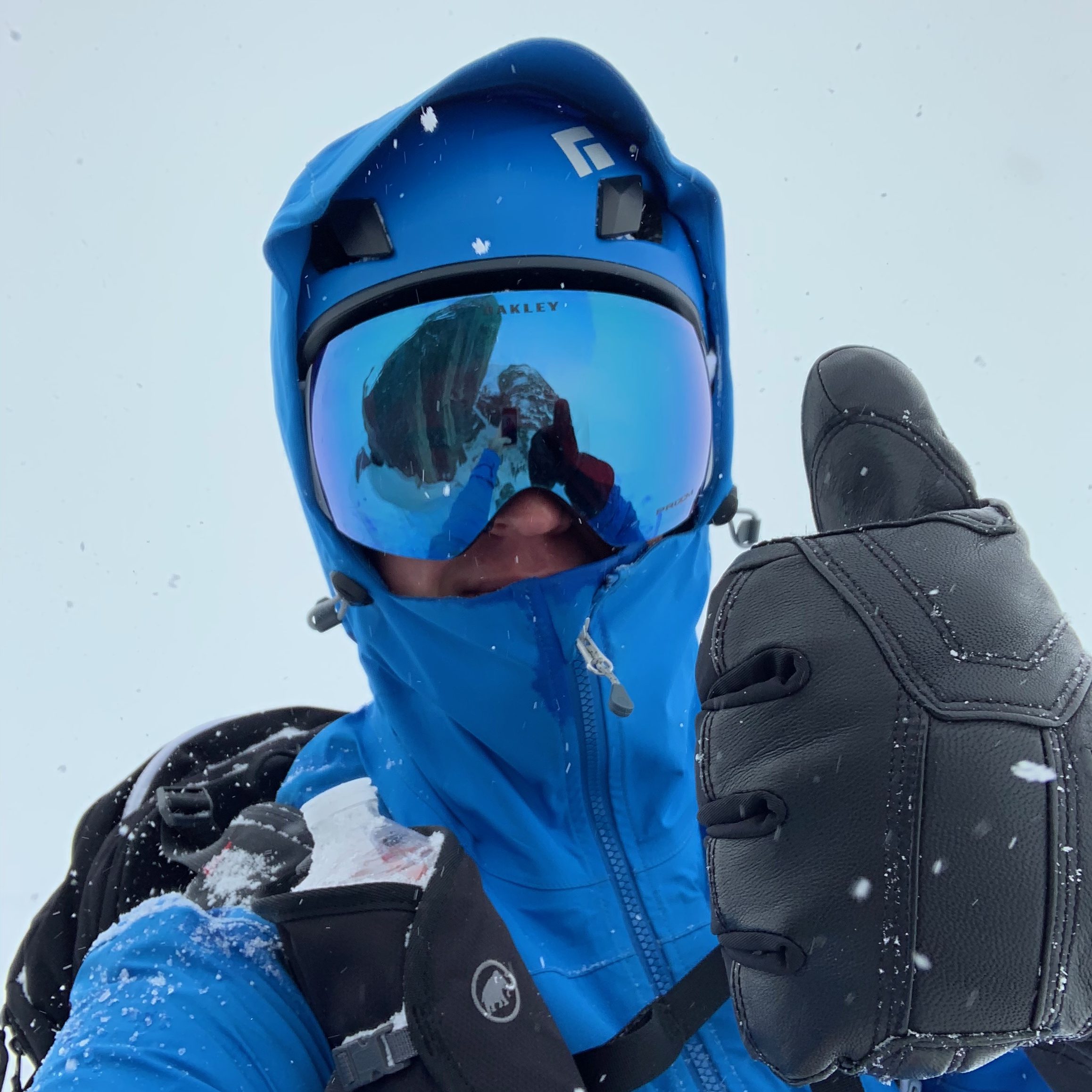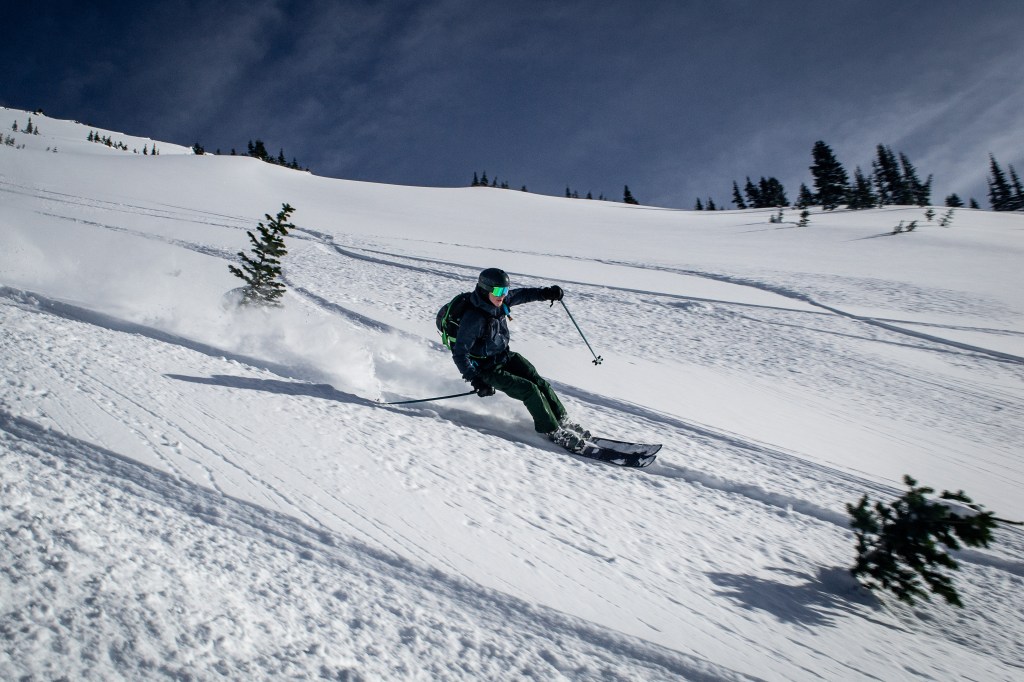
Adventure’s Role in Self-Discovery with Former Marine, Tom Foxley

On A Remote Canadian Glacier…

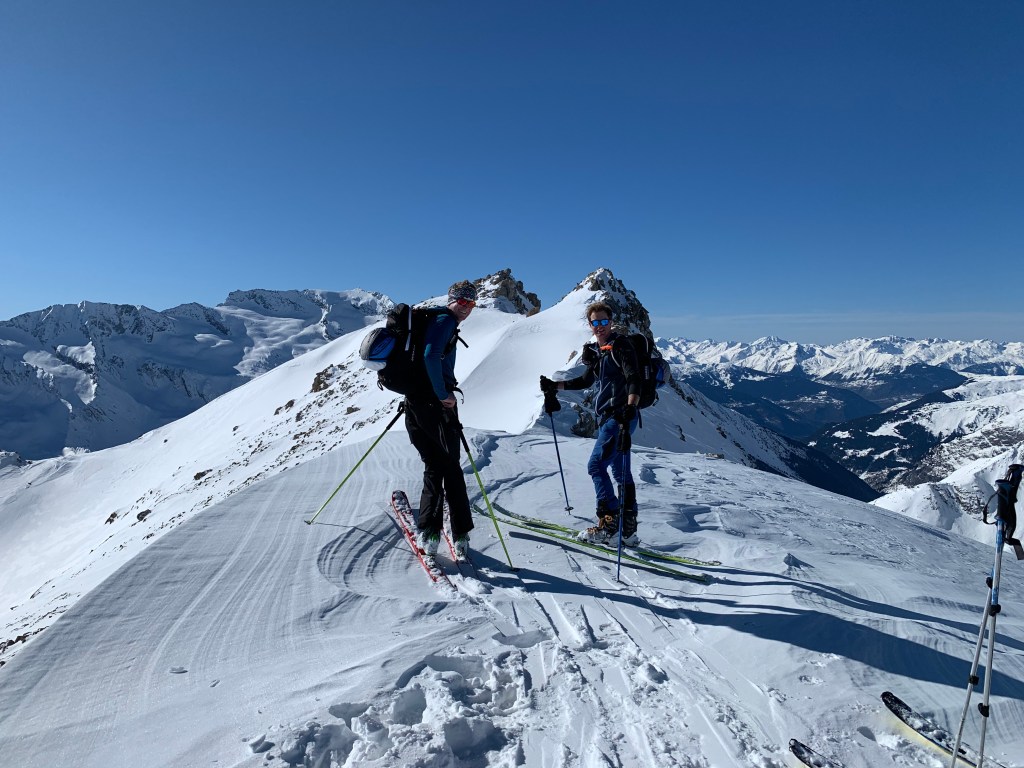
My frozen hands scrambled to unclog my ski bindings from packed snow.

Not now…

My harness and rope were irritating obstacles that just added to the hassle.

If only I could take this crap off…”

The three of us stood on a glacier we were desperate to get off. Surrounded by hidden crevasses that threatened to suck us into their depths.

The unsettling crack and rumble of an avalanche a few hundred metres to our left had confirmed that we needed to get back into safer terrain immediately.

My numb digits couldn’t get the icy-snow out of my bindings, and panic began to settle in.

A distant voice whispered to me. The memory of an admittedly terrifying sergeant who helped put me through Royal Marines training…

Slow is smooth, smooth is fast.” 

Why was this bloke’s face and voice in my mind at such an urgent time?

“Oh, it’s a lesson!”

I took a breath, detached from the situation, and slowed down.

The solution came to me, I had to melt the snow with the only warm liquid I had: my own pee.

Now I think back to that remote glacier in British Columbia, Canada, and laugh. My two friends’ faces as I began to urinate on my own skis in a hostile alpine environment was a picture.

But this isn’t a blog about tactical tips, it’s a blog about who you fundamentally are, and more interestingly, who you have the potential to become.

The Character Forge of Adventure

Adventure has given me far more than fun stories, epic photos and piss-soaked skis, it has given me an avenue to develop who I fundamentally am. From pub walks in a soggy English field, to an upcoming 2 week ski mountaineering trip in the Karakoram Mountains…

…And from the constant agony of Commando training, to teaching friends how to tie into a climbing harness with a sea sunset in the background, adventures have provided me with a forge for my character.

Mishaps are the furnace of resilience. Challenge & difficulties, the anvils of a cool, calm mind. Deep connection with nature and friends, the hearth of love.n And peak experiences a glimpse of something truly transcendent. Without adventure, I would be a fraction of the man I am today – it has shown me who I am meant to be, and I’m guessing it has done the same for you too.

But it’s my opinion that we can use adventure as a more intentional tool, rather than relying on the perfect circumstance.

The Hero’s Journey

My day job is coaching people to become who they’re meant to be. When I do this, I continually refer them to Joseph Campbell’s Hero’s Journey.

The Hero’s Journey is a narrative framework that outlines a common pattern of stages many heroes undergo in myths and stories worldwide.

It begins with the hero receiving a call to adventure, leading them to leave their ordinary world. They cross into an unfamiliar, challenging realm, where they face trials, meet allies and enemies, and undergo a central crisis.

This crisis leads to a victory or achievement, after which the hero returns to the ordinary world, transformed by the experience and often with a boon or insight to benefit their community.

The Hero’s Journey is not only a framework for every great movie you’ve seen, it’s a structure for personal development that is pre-built into every single one of us.

One of the key concepts is that once we accept the call to adventure, we are littered with progressively more challenging trials to pass.

The obstacle in front of us requires every sinew of our character and skill set to overcome.

It feels beyond our capacity.

Yet succeed in that challenge we do, which only brings us to an even greater challenge which looms in front of us; intimidating and dangerous.

But when we meet this challenge, we are not the same person we were when we planned our first hike.

That person would have been massively insufficient for a challenge of this scale. You have grown.

Yes, your skill set has developed, but so have you. You have activated parts of you that have been dormant until challenge brought them out to play.

Adventure is your most intuitive mentor, the perfect balance of maternal and paternal encouragement.

I intentionally use adventure to help myself and my clients grow.

First, we can learn to see the adventure in all of life. From becoming a parent, to aiming at career progression, it’s all an adventure.

Then we can consistently put ourselves into the environments that will extract the best from ourselves.

By answering the call to adventure, you are answering the call to your better self.

So, what’s next on your adventure list?

A Bit About Tom
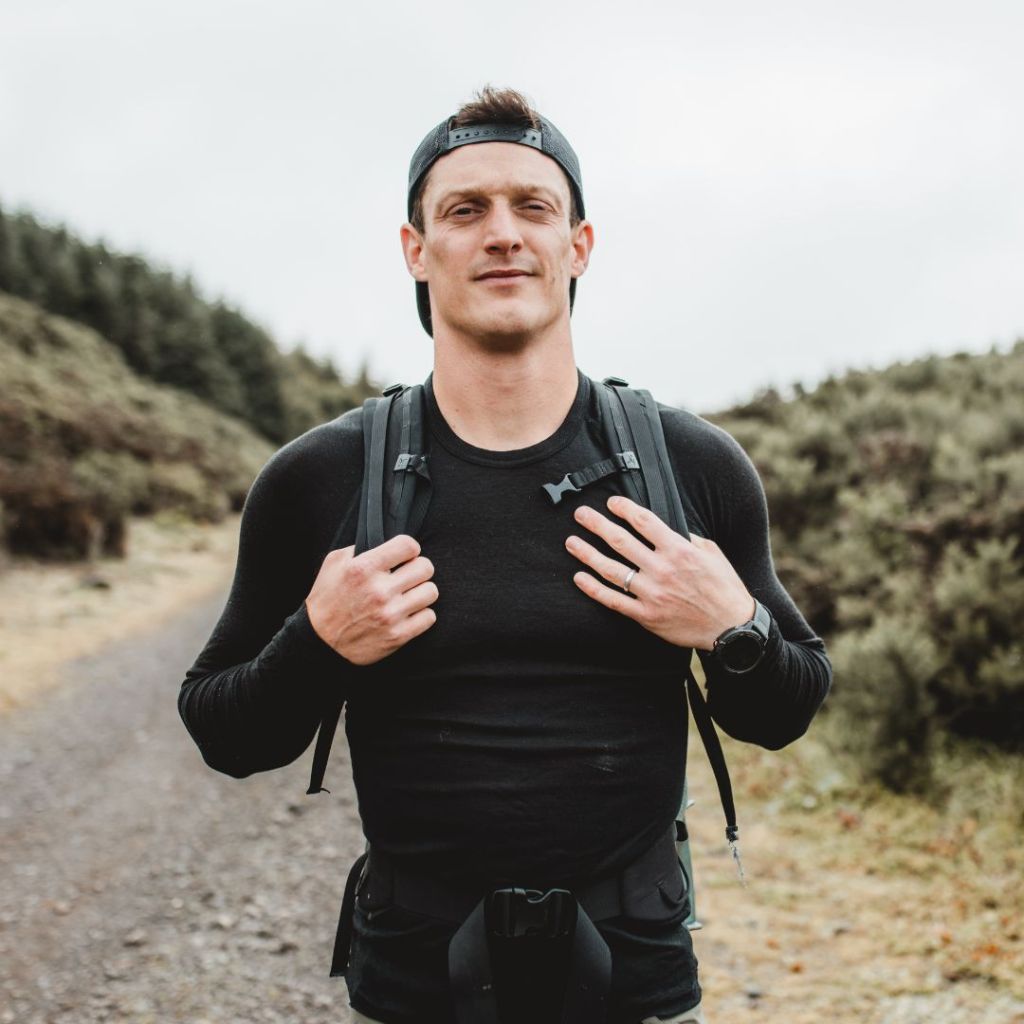
Tom Foxley helps freedom seekers become who they’re meant to be. He was formerly a Royal Marines Commando and is a skier, mountaineer, climber, and business owner. He coaches people through a combination of mindset coaching, biohacking, and actionable philosophy. For more info, connect with him at the following:

LinkedIn
Instagram

Outdoor Equipment: The Benefits Of Rental

When we started KitUp we wanted to make a better solution for 2 groups of people: those that already own lots of outdoor kit, and those that do not. Yes…that means everyone!! We had enough of being limited to rubbish rental kit (or having to pay through the nose for ‘premium rental packages’) nd also know the faff and the limitations of travelling with your kit. With that in mind, we decided to do something about it.

Let us tell you how we have made your life just that little bit easier. First we will take the position of the kit owner, then we will talk about the kit renter. Here goes.

Challenges For Kit Owners

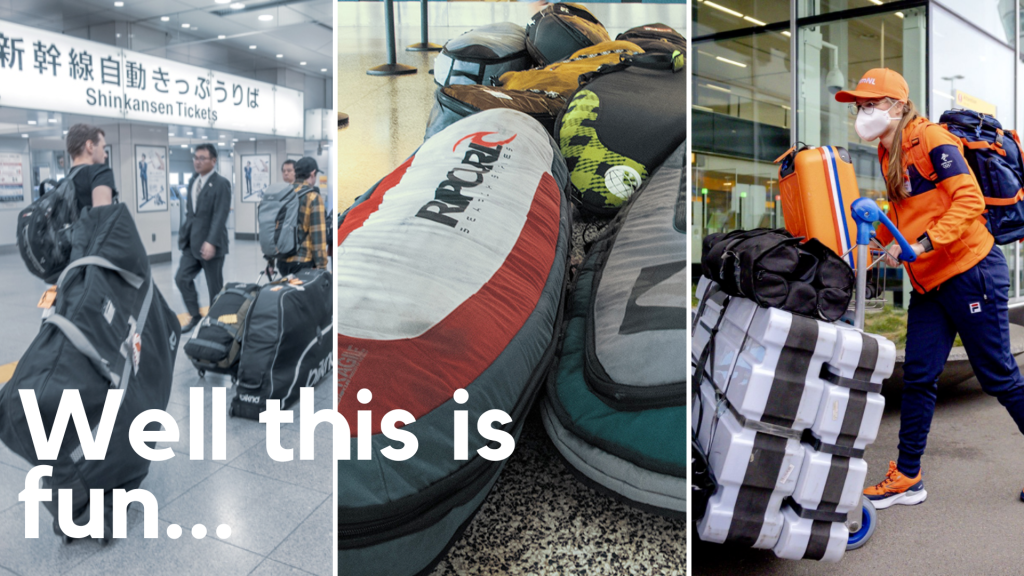
If you have ever found yourself in any of these situations (or similar) you will be all too familiar of the difficulties of travelling with outdoor equipment. From international travel through airports to local travel by car or train, taking our much loved kit is sometimes more trouble than its worth (although we rarely acknowledge this).

Having spent years travelling with bikes, surfboards and skis on flights, here are a few of the situations that I have found that made me think about alternate solutions.

  1. Surfboard damage. A few years ago I was in South Africa on a surf trip and found the board that I had been looking for, for years. A beautiful fish with glassed-in find (they cannot come out) so I bought it and quickly fell in love with it. When flying back to London Heathrow I spent about 3 hours wrapping it in memory foam, bubble wrap and then into a board bag. When I got home there was serious damage in 3 locations and I was devastated. Luckily the talented Ding Doctor in Bristol was able to save it.
  2. Long travel times. On a trip to the south of France for some skiing and cycling we decided to drive because we had far too much kit to take the train or try and fly. This added an extra day on either side and became far more expensive than expected. When you add up the fuel costs, ferry or train, tolls through France and food/water throughout the day it adds up very quickly. We realised that even if we used the ‘premium rental packages’ the cost would have been about the same, minus the travel faff!
  3. Outdoor kit evolves quickly. When most of us make the exciting decision to invest in new kit, it’s usually because we are about to go away on a trip, so convince ourselves that its worthwhile. However, the next use can often be many months away and by that time, newer better iterations have already been developed. The average UK skier will have to use their skis on at least 1 trip per year for 6 – 8 years to get back the cost that renting each time would equate to. If you were to spend a day on new skis compared to those 8 years ago, you would notice significant upgrades in weight and performance!
  4. Irregular use. As much as I would love to spend every day skiing in the mountains or surfing, the unfortunate reality of life is that this is rare. So much of the equipment bought and stored gets very little use meaning that we are needlessly manufacturing and transporting kit around the world resulting in increased pollution from manufacture and additional carbon emissions in the logistics of getting it to the shop and then into your home. The outdoor industry needs to start taking sustainability and climate change more seriously – the natural environment is what brings us so much pleasure yet little is being done to conserve it. Rental is a way that each of us can do our part.

Challenges For Kit Renters

With that being said, the current rental solutions are often far from the answer! I have been into so many ski, bike and surfboard rental companies (UK and abroad) where the available selection is awful. For many companies, courses are where they focus their time, hire is just a side hustle for kit that isn’t being used. This is by no-means brushing every company with this brush, but the great ones can be very hard to find. Here are the problems that we have found:

  1. Access to quality kit. I was recently in Brazil, one of the surf capitals of the world and was amazed at how difficult it was to find a decent board to surf at Copacabana and Ipanema beaches (the 2 main beaches in Rio). There was not a single place to rent along Copacabana despite the number of surfers in the water and the high quality waves. I was told to go to Ipanema to rent, but the boards available on the beach looked like they came out of the original ‘The Endless Summer’ – a wonderful film but not exactly what I was looking for…
  2. High rental prices. This really does speak for itself. On the same Brazil trip mentioned above, we wanted to hire bikes for the day to explore the beautiful forest surrounding a town we were visiting. There were tourist agencies offering guided cycle rides at the cost of nearly £100 each for 4 hours (Crazy!!) and we were told that if we wanted to go off and do our own thing we could, but the price would be the same! Just one story of mental rental prices…
  3. Inconvenient. For both instances mentioned above, they took a lot of time and effort for little gain. I spent about 3 hours looking for a surfboard and my wife and I then spent another morning trying to get out for a cycle. On a once in a lifetime trip, the feeling of time being wasted is horrible and its something we want to cut out as much as possible.

We Solved It!

So far this doesn’t paint the best picture, but wait…Its changing with KitUp!

For kit owners, KitUp allows you to rent out your kit when you aren’t using it. Simple. With the current economic climate every little helps and now you can make your kit work for you and earn some of that initial investment back over time. It also means that your overall carbon footprint and impact on the environment will decrease as you are allowing others to get into the outdoors without having to buy new kit. Your kit will get more use throughout its life, exactly as it was designed!

For those looking for kit, you can now see exactly what is available, where it is, how much it will cost and then can have a conversation with owner or rental business without wasting a minute, all within the app! We have seen great quality equipment being listed at amazing prices and we are so excited at the thought of this on a global scale. Imagine going anywhere in the world and logging into one app to find kit, instructors, the top locations and meet new people?!

Give it a try. You won’t regret it.

What Should I Wear When I Ski?

If you are lucky enough to be hitting the slopes this season, just remember that the mountains can be extremely fickle and that preparation is key to having fun. You might be thinking about what upgrades you want to make to your wardrobe, or whether you really need to take that extra jacket. Here is my take on what to wear when out in the mountains (I will also link in some of my favourite products).

Always Start With A Base Layer

Regardless of whether I am going out climbing, walking or skiing, I will always start with a solid base-layer. They keep you warm, give you some support and are incredibly versatile. Personally I always go for layers made from natural fibres (wool, bamboo etc) as they are more comfortable, better at wicking away sweat, regulating my temperature and can also be worn over multiple days without smelling!

Here are a few of my favourites to wear:

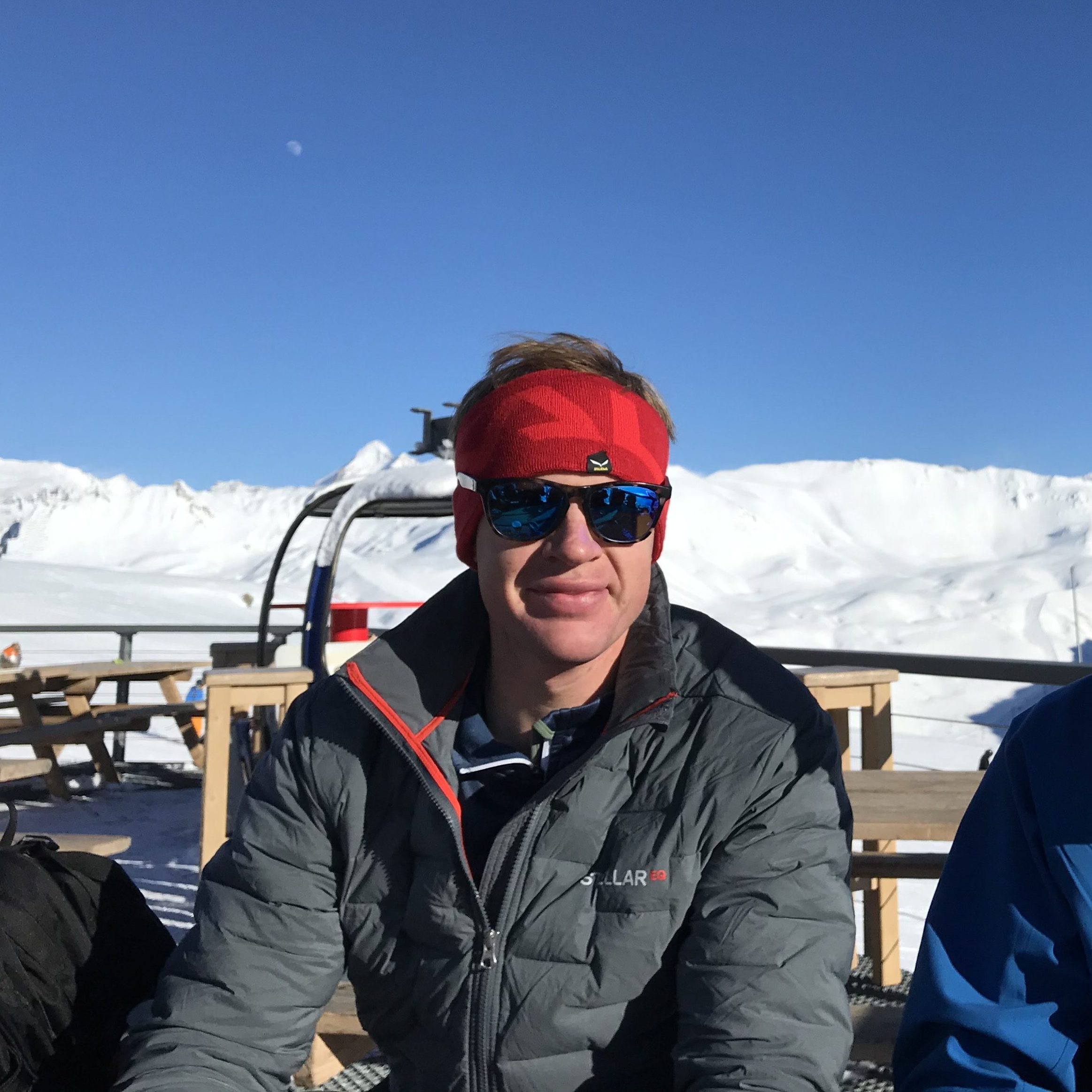
Stellar Base Layer £95 for top + bottoms (pictured left). This is a lighter weight set than the others and is great for days where it’s a bit warmer or when you are travelling light on a ski-tour. They are incredibly stretchy and because they are seamless, are wonderfully comfortable.

Icebreaker – many options available. Everything that Icebreaker produce is 100% sustainably sourced merino wool. I have this one and love the panel system. It has wicking areas underneath the arms, across the back and down the forearms that not only help with temperature but also add stretch.

Finisterre Bora Bamboo Hoody (£55). If being stylish is your thing, then the Bora is definitely one for you. It is not only really well-priced, warm and lightweight but can also be worn off the mountain. Everything that Finisterre produce is sustainably sourced.

The Mid Layer

Once you have your base-layer sorted, its time to think about the mid-layer. For this, you want to have something that is warm, but breathable as well as giving you freedom of movement. If you wear something that is too constrictive you will likely be uncomfortable and will overheat. When this happens you will sweat a lot more and when you stop, this will feel very chilly. There are so many options out there, but these are my picks:

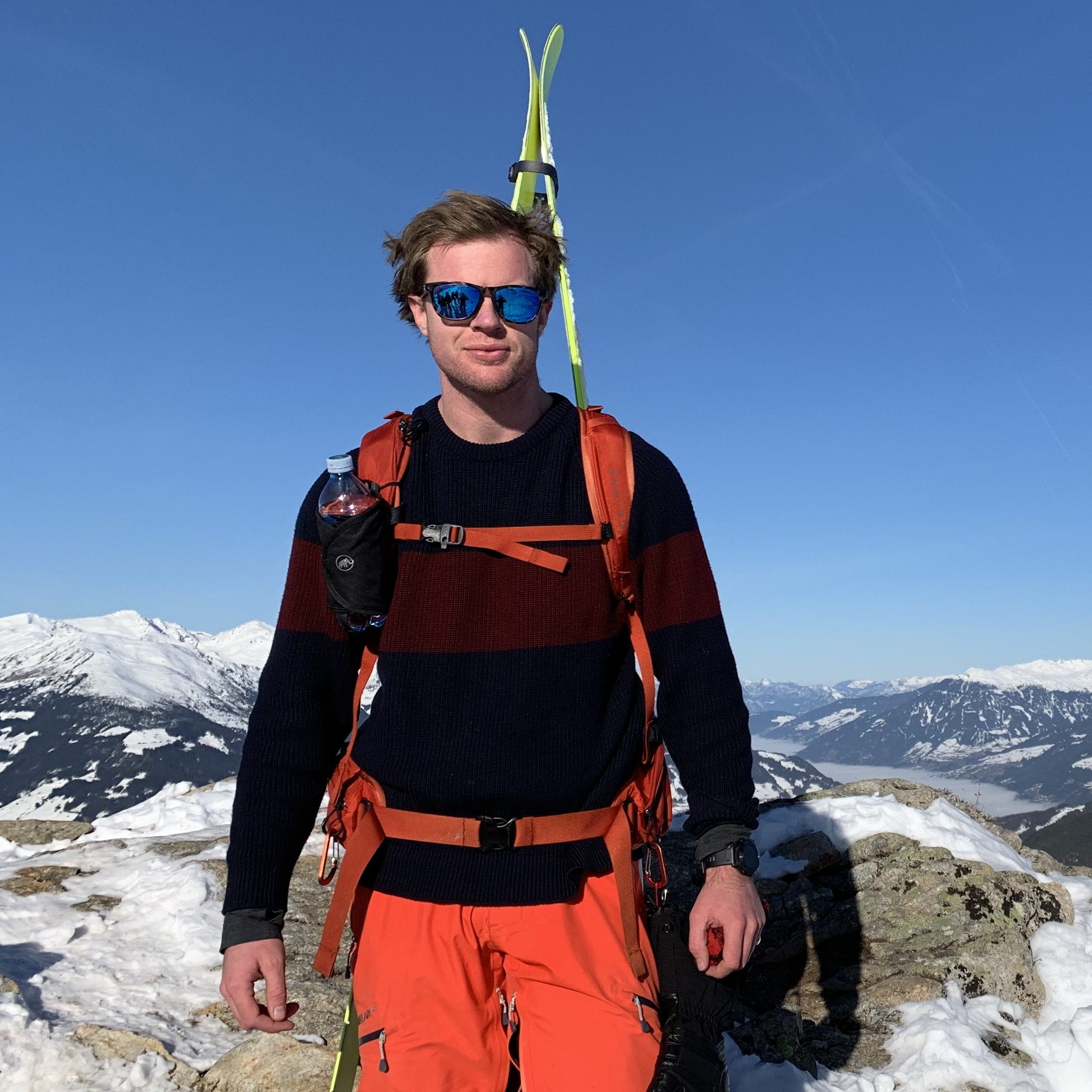
Trusty Old Wool Jumper (pictured above). This might look like something that Sir Edmund Hilary took up Mt Everest in 1953 but it is my favourite layer to wear in the mountains, so long as it doesn’t get wet! It is a heavy wool knit that is incredibly warm yet highly breathable. You will most likely already have an old one somewhere at home, so give it a try before you go and buy some highly technical ski mid-layer. If you do want to splash out, here are a few to look at:

Patagonia – R1 hoody – Patagonia will always be a go-to for me when it comes to outdoor equipment. Partly because thei kit lasts a lifetime and comes with many repair guarantees, but also because the values of the company align with my own and those of KitUp.

Stellar – Guide Merino – This is so well designed. I realised when I first put it on that it stretched in the precise areas that I wanted it to, but was generally athletically fitting. The hood size is perfect and can fit over a helmet when needed. The pockets are big and easily accessible without having to remove gloves. Like with everything else from Stellar, their kit is designed to work together seamlessly and it does.

Montane – Protium Montane is a wonderful British mountaineering company that have really developed over the last 10 years or so. The Protium is a really versatile jacket that can take a lot of abuse. After all, it was developed for winter climbing in the UK, a very cold, wet and windy business.

The Down Jacket

For many, skiing is not just about cramming as many runs into the day as possible. It is about spending time with loved ones, taking in the views, the mountain air and of course, cheesy mountain food! When you stop, you cool down incredibly quickly, so grabbing your down jacket from your bag keeps you nice and cosy. On days where the weather does not look like this, you might even find yourself skiing with it on for much of the day. Lastly, the bit that we don’t lie to think about, injury. If you or someone else is unfortunate enough to fall and seriously injure themselves, it can take time for mountain rescue to get to the scene. It is imperative to stay as warm as possible so having a good down jacket close to hand can be very helpful indeed. Again, there are so many options but these are my favourites and have worn them for years:

Stellar – Stretch Down Jacket (photographed above). I probably wear this jacket more than any other I own. Just this morning I wore it while walking through London in -3 degrees to get to the gym and next month I will be wearing it skiing in Meribel. It comes with me on every adventure and when dirty, it can be machine washed/dried – just throw in some tennis balls to fluff it up. It is incredibly warm and very stretchy, making it great for activities like climbing and skiing.

Dynafit Radical 3 – An incredibly lightweight primaloft jacket, this is designed for getting around quickly. I bought this whilst preparing for the Patrouille des Glaciers ski-mountaineering race last year for which, weight is the number one concern. I was amazed by how good it was and how warm it was! If you are looking for something light, then this is definitely worth considering.

The Waterproof Outer

Until now it probably looks like I only venture out on blue, sunny days…If only that was the case! The reality is that, often as not, the clouds are in and snow is falling. Funnily enough, snow is precipitation, therefore without a good waterproof outer layer, we would get cold and wet very quickly! 10 years ago, everyone was obsessed (and many still are) with the trade mark of ‘Gore-Tex’ as the only product. Now, lots of outdoor companies have developed their own equivalent technology for waterproofing their clothing. The important number is the ‘hydrostatic head’ number (usually in thousands of milimetres). A good number is anything above 10,000 mm.

Another thing to think about is how robust the clothing is. Outdoor sports like skiing can now be very technical (like ski-mountaineering) so can be incredibly light weight. Generally speaking the lighter something is, the more expensive it will be and/or the less robust it will be. Here are my go to winter options:

Stellar Guide Shell Jacket – I have had this jacket (pictured above) for 6 years and have used it for a minimum of 2 months each season. The only upkeep required has been to add some glue into a seam on the hood and then to treat it with waterproofing to make sure it stays mountain ready. There are lighter jackets but I have not found a better all-rounder yet.

Patagonia Storm – Another solid jacket choice that will work as well for walking down to the supermarket in the rain as it will serve you on the mountain slopes. Great flexibility as well as a low carbon footprint. This is always something to think about when buying new gear. Could you fix your old stuff instead?

Its All About The System

Whatever you choose to wear, it is all about the system so make sure you understand how your clothing works before getting on the lift. The main questions to answer are: am I warm and comfortable? Do I have additional layers to put on? Am I prepared for a colder and wetter day than forecasted? If this is a ‘yes, yes, yes’ then you are ready to pick up your skis, sling them over your shoulder and have a great day. See you out there.

Bruce Leishman
Founder & CEO of KitUp Adventures