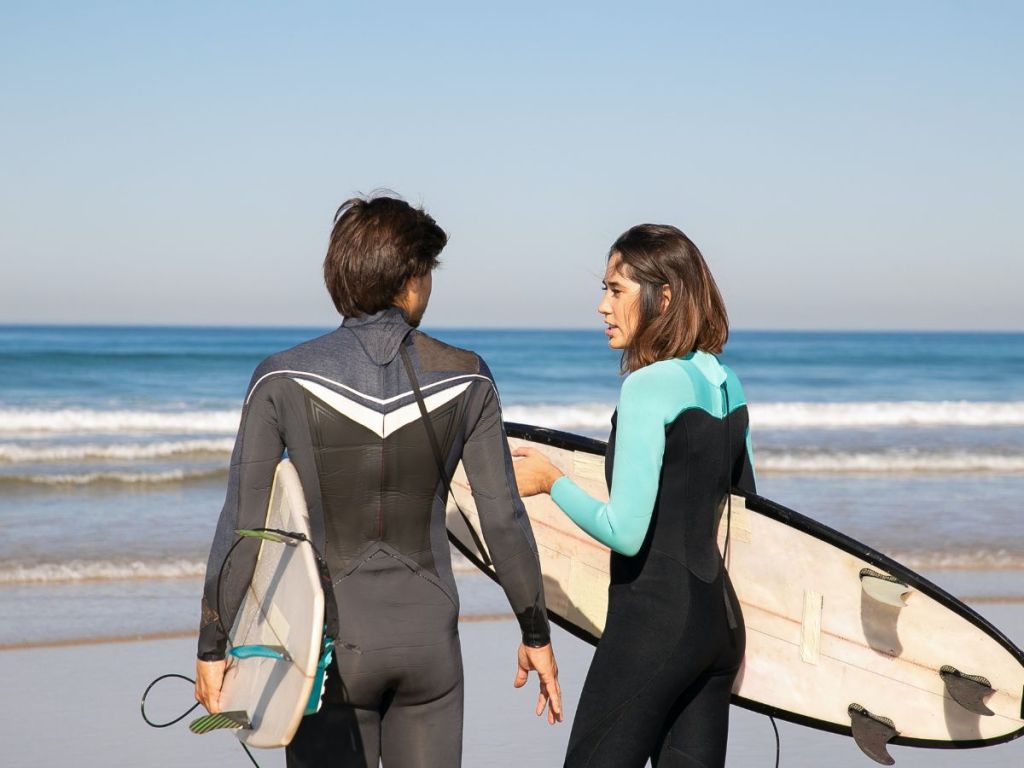
The fashion industry, including outdoor clothing, is facing a grave challenge – the ever-growing problem of clothing waste. With a colossal amount of clothing entering landfill instead of being used in more efficient, sustainable practices, it’s a significant project we have to face globally.
At KitUp, we’re huge advocates for protecting our environment and reducing waste in the outdoor sports sector. We’ve created our outdoor kit rental platform to help combat the amount of waste in the industry, encouraging those that only use/need outdoor sports kit occasionally to hire rather than buy new. This will save on the amount of kit that is stored away taking up space, thrown away for not being used enough, or bought new for 1-2 uses per year.
Clothing plays a huge part in the outdoor sports industry, with many of us requiring specialist hiking clothes, cycling outfits or watersports clothing such as wetsuits. In this blog post, we will delve into the issues surrounding clothing waste, specifically focusing on outdoor clothing ending up in landfills, as well as discuss the complexities of recycled clothing and briefly examine the environmental consequences of sports fast fashion.
The Issue with Outdoor Clothing in Landfill
How much outdoor clothing enters landfill in the UK each year?
The statistics are alarming. According to WRAP, each year, the United Kingdom sends around 350,000 tonnes of textiles, including outdoor clothing, to landfill sites. This massive amount of waste takes up valuable space, emits harmful greenhouse gases and contributes to environmental degradation.
Recycled clothing doesn’t always have a happy ending
Recycled clothing often seems like a responsible choice, but the reality isn’t always as eco-friendly as we’d like to believe. A significant portion of recycled clothing still ends up in landfills. This is due to factors such as poor recycling processes, low-quality materials and limited demand for second-hand clothing. It’s clear that recycling alone isn’t enough to solve the clothing waste crisis. Which is where we are trying to help at KitUp, keep reading to find out how.
Why is sports fast fashion bad for the environment?
While we’re lovers of outdoor adventures, we need to take responsibility. Sports fast fashion, characterised by quick-turnaround, low-cost, trendy athletic wear and outdoor sports trends, has gained immense popularity in recent years. However, this industry is notoriously detrimental to the environment. The high demand for rapid production leads to overconsumption, excessive waste and environmental harm, all while sacrificing product quality and durability.
Why is textile waste bad for the environment?
How does outdoor clothing in landfill affect the environment?
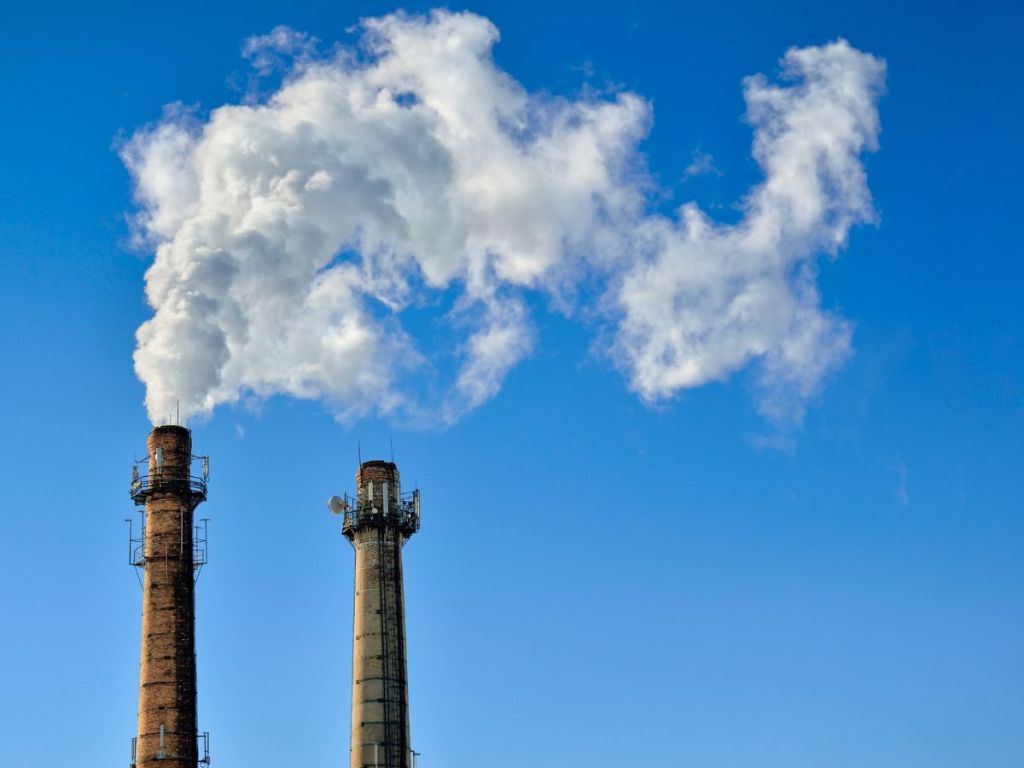
When outdoor clothing ends up in landfills, it decomposes slowly, releasing harmful chemicals and greenhouse gases. These pollutants contribute to climate change, air and water pollution as well as overall environmental degradation. Methane and carbon dioxide emissions from decomposing textiles worsen global warming. Airborne chemicals can harm local communities, leading to respiratory issues, while water pollution affects aquatic ecosystems and potentially enters our food chain, posing health risks. Clothing waste, therefore, has profound and far-reaching environmental consequences that we must change.
How does outdoor clothing have an impact on greenhouse gases?
In the UK, the production and disposal of clothing, including outdoor sports gear, significantly boost greenhouse gas emissions. The energy-intensive manufacturing methods and extensive transportation networks involved leave a notable carbon footprint. To counter this impact, it’s imperative to prioritise strategies such as prolonging the life of our clothing and consistently opting for sustainable choices. These steps play a pivotal role in curbing emissions and fostering a more environmentally responsible approach to clothing consumption.
What are microplastics and what impact do they have?
Microplastics are tiny plastic particles that shed from synthetic fabrics when washed. These microplastics make their way into waterways, harming aquatic life and entering the food chain. Outdoor clothing, often made from synthetic materials such as nylon or polyester, is a notable contributor to this microplastic pollution. Therefore, it’s important to invest in outdoor clothing made by businesses that have researched fabrics and used sustainable practices in every element of their clothing production.
How you can say no to fast fashion in outdoor sports
In the quest to address the environmental challenges posed by fast fashion, we’re passionate about driving positive change. We believe that consumer choices play a pivotal role in mitigating the adverse impacts of sports fast fashion. Instead of perpetually indulging in the purchase of cheap, low-quality items, we encourage you to embrace a more sustainable and mindful approach.
Invest in high-quality
Consider investing in high-quality outdoor sports clothing that’s purposefully designed to endure the test of time. By opting for products that prioritise sustainability, durability and longevity, you not only elevate your outdoor experience but also contribute to a more responsible and eco-friendly fashion ecosystem.
Further, we recommend you spend a little time learning how to look after your kit properly. From washing and use to ironing and storage, there are plenty of tips online about how you can get the most out of the kit you invest in, to ensure it lasts that little longer.
Rent outdoor sports clothing instead of buying new
We get it, brand new, high-quality outdoor sports clothing can cost a bomb. But, another significant avenue for reducing the environmental footprint of clothing lies in the world of pre-loved outdoor sports gear.
By renting from others, you actively participate in minimising the environmental impact associated with the production and disposal of clothing. Not only is it a sustainable approach to outdoor fashion, as it encourages the shared use of gear, but it reduces the need for constant production and purchase of new items. Plus, it’s a practical way to experience premium outdoor gear without the hefty price tag. Win-win, right?
That’s where KitUp comes in. On our online peer-to-peer sports rental platform, we’ve introduced ‘clothing’ categories, specifically for you to rent outdoor sports clothing for you to participate in unforgettable adventures, without the hefty price tag of buying new. Simply create an account and keep an eye on any new arrivals near you to rent.
Look for brands with sustainable values
Many outdoor sports brands will also be on a mission to reduce their environmental impact – but others won’t care so much. Pay attention to the brands you purchase your outdoor sports clothing from. Are they transparent about their supply chain? Do you know where they source their materials? Was the item made halfway around the world, increasing the carbon footprint of packaging and delivering your item?
If you need to purchase, you can make a difference by purchasing from brands that are aligned with your values and that are committed to global change when it comes to outdoor sports kit.
List your quality outdoor sports clothing on KitUp
Do you own high-quality outdoor sports clothing that’s in good condition? If you’re ready to be a part of the solution and make a positive change in your approach to outdoor clothing, KitUp is here to support your mission. We are committed to fostering sustainable choices within the outdoor sports community.
You can actively contribute by listing your quality outdoor sports clothing on our platform. By doing so, you help us create a marketplace that values durability, sustainability and responsible consumption. Together, we can redefine the way outdoor enthusiasts access and appreciate their gear, all while minimising our impact on the environment. From wetsuits and drysuits, to hiking boots, to the realm of children’s outdoor sports kit – we’d love to see it listed on our platform. Create an account to list your items today.
How you can drive a change in the UK outdoor clothing crisis
The UK’s clothing landfill crisis is a pressing issue that demands our attention and collective action. By choosing high-quality, sustainable outdoor sports clothing, considering rental options and actively participating in KitUp‘s mission to reduce textile waste, we can turn the tide on clothing waste and leave a lasting positive impact on our environment. Take the first step towards change today by either listing your quality outdoor sports clothing on KitUp, or renting something for yourself.


 blogkitupadventures.com